
6 Best Sunscreens for Mature Skin, According to Dermatologists 2026

Frequently asked questions
What are the best types of sunscreens for older skin?
“For mature skin, I typically recommend formulas that multitask, providing both protection and skin care benefits,” Dr. Obayomi says. For her older patients, she typically recommends the following products.
Mineral (physical) sunscreens with zinc oxide or titanium dioxide: “These tend to be gentler on more delicate skin and are less likely to cause irritation.” She notes that zinc oxide is anti-inflammatory and provides excellent broad-spectrum protection.
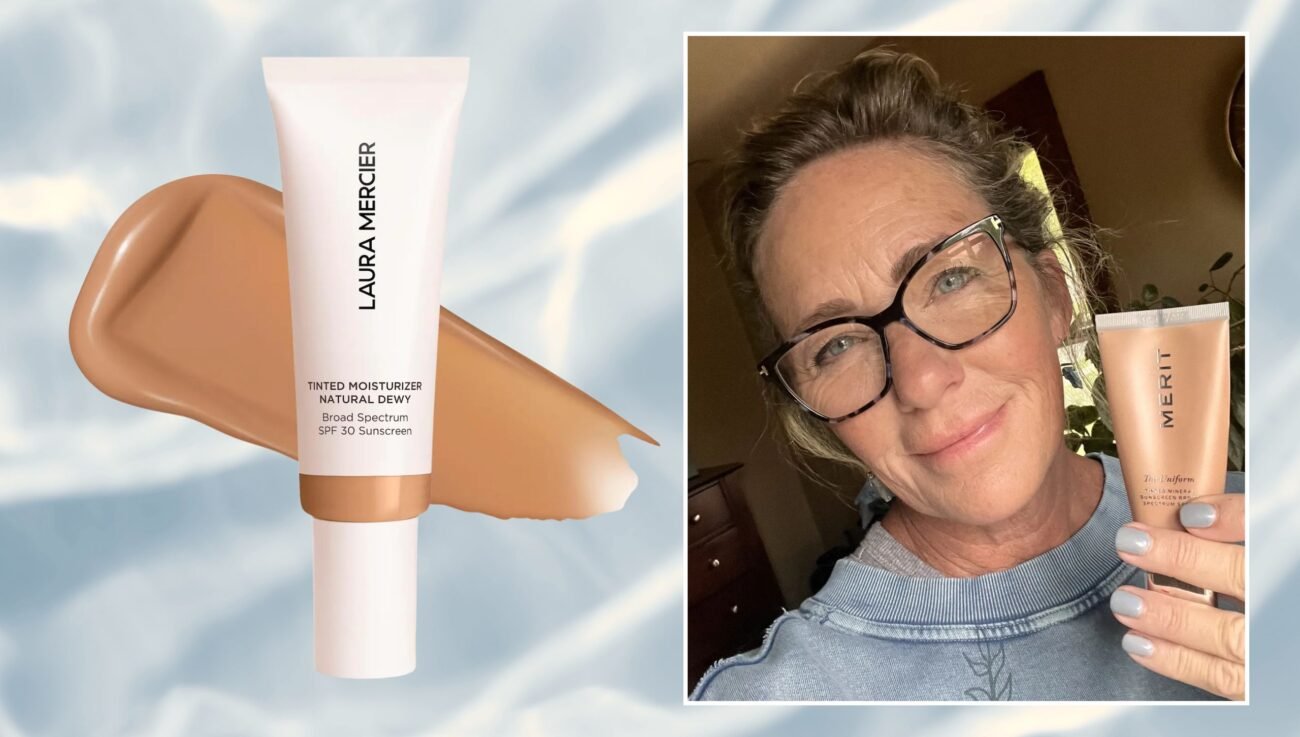
Tinted mineral sunscreens: The tint helps even out skin tone without settling into fine lines. Meanwhile, iron oxides provide additional protection against visible light that can worsen hyperpigmentation.
Sunscreens with added skin care actives: “Look for formulas containing antioxidants, niacinamide, hyaluronic acid, peptides, or DNA repair enzymes,” Dr. Obayomi says. “These ingredients actively support skin health and can help address existing sun damage.”
Lightweight fluids and emulsions: “Heavy creams can settle into wrinkles and feel uncomfortable,” she says. Fluid textures, on the other hand, absorb quickly and layer seamlessly under makeup or other skin care without pilling.
How much sunscreen should you use for antiaging?
According to Dr. Obayomi, “This is where most people fall short. The SPF rating on the bottle is only achieved when you apply the correct amount, and most people apply far less than needed.” Below, she breaks down the dermatologist-approved guidelines.
- Face and neck: Approximately 1/2 teaspoon, or the two-finger rule: ”Two lines of sunscreen along the length of your index and middle fingers.
- Décolletage and ears: “These are commonly missed areas that show significant signs of photoaging,” Obayomi says. “Include them in your application.”
- Reapplication: Reapply sunscreen every two hours when outdoors, or immediately after swimming or sweating. “For daily indoor use, a single morning application is typically sufficient unless you’re near windows with significant sun exposure,” she says.
Are chemical or mineral sunscreens better for mature skin?
Dr. Obayomi says that both can be excellent choices, but they work differently and have different advantages for mature skin.
Mineral (physical) sunscreens: These formulas contain zinc oxide and/or titanium dioxide, which sit on the skin’s surface and physically reflect UV rays. “Mineral sunscreens are generally gentler and less likely to cause irritation, which is ideal for sensitive or reactive mature skin,” Dr. Obayomi says. She notes that zinc oxide is naturally anti-inflammatory, which can help with rosacea or redness-prone skin. One caveat? “Mineral sunscreens may leave a white cast, though modern formulations and tinted versions have largely solved this,” she says.
Chemical sunscreens: These contain organic UV filters—such as avobenzone, homosalate, octisalate, and oxybenzone—that absorb UV rays and convert them to heat. “Chemical sunscreens are typically lighter in texture and easier to apply without a white cast,” Dr. Obayomi says. “They may be better suited for those with oily or combination mature skin.” In Dr. Obayomi’s experience, some concerns about certain chemical filters have led many patients to prefer mineral options.
So which is the best antiaging formula? In general, for those over 60 or with sensitive or reactive skin, Dr. Obayomi tends to lean toward mineral sunscreens. “The gentleness is important when the barrier is already compromised,” she says.
Why do you need sunscreen if you have mature skin?
All skin types can benefit from wearing a daily SPF 30 or higher, but aging skin in particular needs protection from UVA and UVB rays. “Even if you have mature skin, sunscreen is still extremely important for several reasons,” says Hall. “The most important reason is that it helps reduce your risk of developing skin cancer from UV exposure. Additionally, as your skin ages, you produce less collagen and elastin, the two components that keep skin resilient and firm. UV exposure can accelerate further degradation of your remaining collagen and enhance the appearance of fine lines, wrinkles, and dark spots. Mature skin is also more fragile, leaving it more susceptible to sunburns without proper sun protection.”
What do dermatologists recommend for aging skin?
In addition to conscientious UV protection, Hall recommends that patients with aging skin prioritize hydration and skin-barrier support. “A gentle cleanser both morning and evening can set the foundation for clean, soft skin,” she says. “In the mornings, I recommend a topical antioxidant to help combat free radicals from the sun as well as environmental pollutants. Your last step for the morning should be a sunscreen with SPF 30 or higher, broad-spectrum coverage, and the added benefits of hydration with ingredients like hyaluronic acid, glycerin, and ceramides. In the evenings, skin barrier protection is important, and here is where I focus on a rich moisturizer to repair and nourish skin overnight.”
As a beauty writer for the past decade—and a very fair-skinned woman since birth—I’ve amassed a pretty impressive collection of sunscreens. Now that I’m 45, I’m paying more attention to formulas that double as skin care, addressing or blurring existing signs of aging while still helping to future-proof my skin. For this story—which, obviously, hits close to home—I interviewed dermatologists about the best formulas for aging skin, and for best practices when it comes to application and product selection. I also tested several products myself, noted the ingredient list in each formulation, and tapped Glamour editors for their personal recommendations to help you, the reader, make the most informed decision.
- May Hall, DO, double board-certified dermatologist at Advanced Dermatology and Skin Surgery in Asheville, North Carolina
- Shoshana Marmon, MD, PhD, assistant professor of dermatology at New York Medical College
- Aderonke Obayomi, MD, board‑certified dermatologist and assistant professor at Mount Sinai in New York City
- Pearl Rimtepathip, MD, board-certified dermatologist at MetroDerm in Atlanta
- Samantha Schneider, MD, double board-certified dermatologist and Mohs surgeon at Pacific Crest Dermatology