
This is When to Fertilize the Lawn, No Matter Your Grass Type

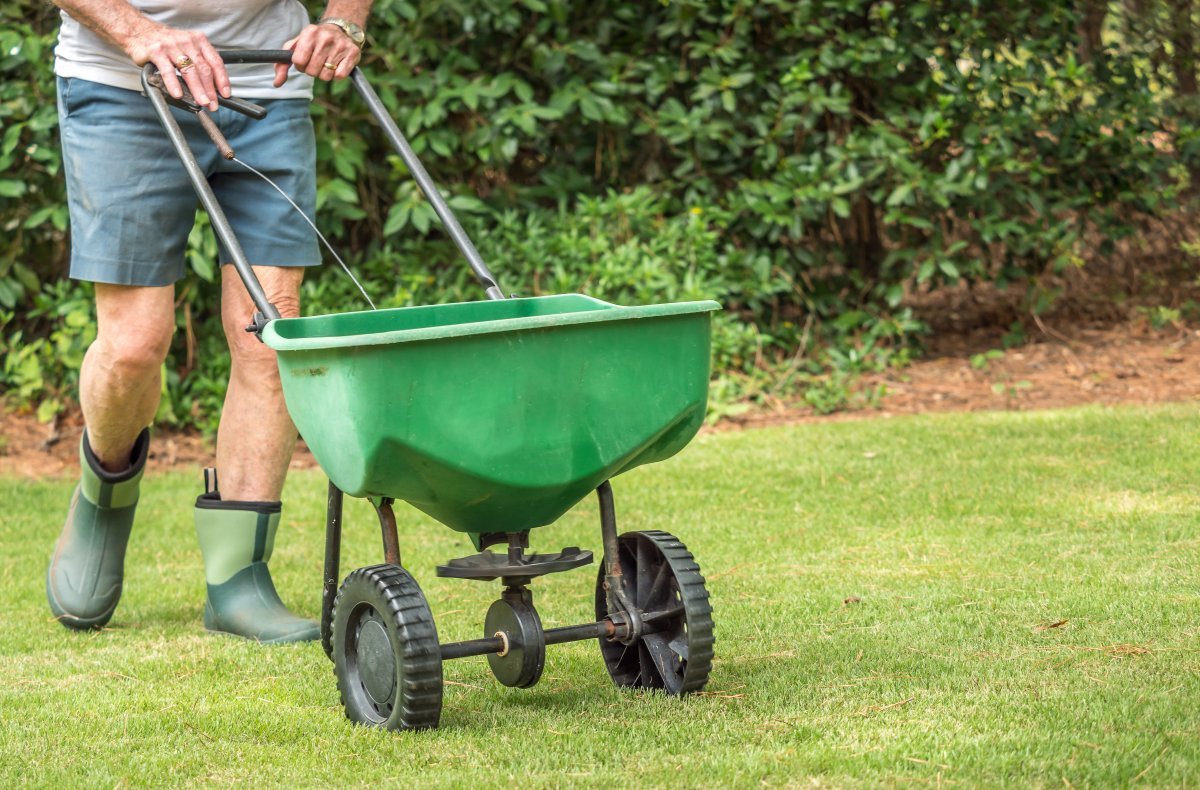
If you want a green and lush lawn, fertilizer can be an effective ally, especially if you add fertilizer to your lawn at least twice a year. But if you apply it at the wrong time or over-treat your lawn, you could encourage weed growth, or possibly even burn the grass. For best results, the best time to apply lawn fertilizer is when your grass is actively growing.
Since active grass growth varies by grass type and local climate, choosing the best time to fertilize your lawn really comes down to your growing zone and the type of grass you have. To figure out the optimal time to fertilize your grass, you need to know your grass type, your growing zone, and the right fertilizer for the job.

DIY Lawn Care. Simplified.
Bob Vila has partnered with Sunday to get your lawn exactly what it needs to thrive.
Cool-Season vs. Warm-Season Grasses
You’ll want to set your lawn fertilizing schedule based on the type of grass you have. In the United States, there are two primary types of grasses: warm-season grasses and cool-season grasses. There’s also a cross-section of grasses that are considered transitional. A clue to figuring out your grass type is to watch how your lawn behaves.
Cool-Season Grasses
Grasses that thrive in cool temperatures are prevalent in the northern parts of the United States, and varieties like Kentucky bluegrass, tall and fine fescues, and ryegrass are the most common. Since cool-season grasses prefer lower temperatures, they have two peak growing periods: one in the early spring, just after winter dormancy, and another in the early fall. High summer temperatures and lack of water may cause cool-weather grasses to go dormant until chilly temps arrive and water is more readily available.
Warm-Season Grasses
These grass types thrive in the southern region of the United States. The grasses benefit from warm temperatures, which means that midsummer is their ideal growing season. Warm-season grasses are tough, and they form a thick lawn cover that becomes denser over time. Warm-season grasses turn brown after the first frost. The four major types of warm-season grasses are Bermuda grass, centipede grass, St. Augustine grass, kikuyu grass, and zoysia grass. Many of these also are drought-resistant grasses.
Transitional Zone Lawns
The transitional zone generally covers parts of the country that are typically too warm for cool-season grasses and too cool for warm-season grasses. If you live in a transitional zone, you may have a combination of warm- and cool-season grasses that will require different care at different times.
Cool-season grasses generally stay green all year long in cool and transitional zones. They will not, however, survive the summer months if the temperatures become excessively high. Likewise, unexpected frosts can make warm-season grasses growing in transition zones go dormant or even kill them if the frost is prolonged.
Lawn Fertilizing Schedule
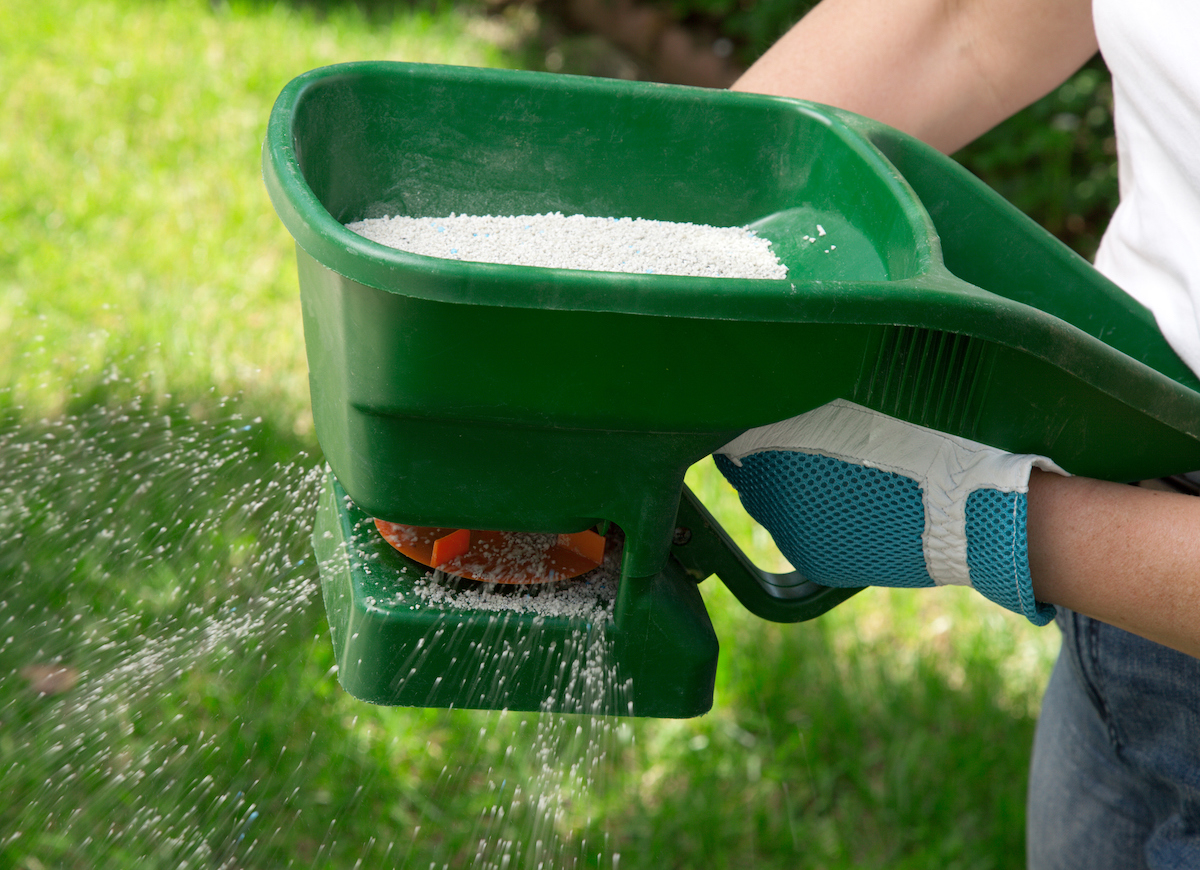
Each type of grass has its own growing season and requires a different lawn fertilizer schedule. Your lawn care calendar might include heavier fertilizing once a year, depending on your grass type.
Spring and Fall for Cool-Season Grasses
The primary growing period for cool-season grasses is during the spring and fall, when average temperatures are between 60 and 70 degrees Fahrenheit. To ensure optimal health, fertilize heavily in the fall and lightly in early spring, following these tips:
- Apply the treatment before the temperatures peak in summer, when these grasses will most likely go dormant.
- Choose either slow- or quick-release fertilizer types.
- Don’t overtreat; cool-season grasses need only 1 to 2 pounds of nitrogen-rich fertilizer per 1,000 square feet per year.
- As you’re planning out your lawn-care routine, note the availability of special winter fertilizers that are formulated to help protect grass during cold months.
Late Spring and Summer for Warm-Season Grasses
The optimal growing period for warm-season grasses is late spring and summer, when temperatures average 80 to 95 degrees Fahrenheit. Growth can begin below or above this temperature range, so keep an eye on your lawn and time spring fertilization for when the grass just starts turning green.
- Warm-season grasses need 3 to 4 pounds of nitrogen-rich fertilizer per 1,000 square feet of lawn per year.
- Choose either slow- or quick-release fertilizer types.
- Time the application of either fertilizer type so that it is fully absorbed before high temperatures take hold.
- After applying fertilizer, water the grass thoroughly, washing the grains off the blades of grass and into the soil to be sure that the soil fully absorbs the treatment, but not so heavily that you create runoff.
- Apply a second round of fertilizer once the peak summer heat has passed.
Best Lawn Fertilizer
Scotts Green Max Lawn Food
Scotts Green is a granular fertilizer that can be used on any grass; greens the yard in mere days. Read the review.
Photo: Amazon
Avoiding Common Fertilizing Mistakes
Timing is critical when fertilizing your lawn for best success. It also helps to avoid making mistakes that can do your lawn more harm than good.
Avoid applying nitrogen-rich fertilizer when your lawn is dormant.
Nitrogen, a key component of fertilizer, contains a growth stimulant that could increase unwanted weed growth if applied during dormancy. If you’ve endured a long winter and the grass is not yet growing, don’t be afraid to delay your scheduled fertilizing treatment.
Avoid fertilizing during a drought.
If you’re under water restrictions as a result of drought, hold off on fertilizing. Most fertilizers need a thorough watering or two to soak into the soil, and allowing the fertilizer to sit on top of the lawn without watering it in could burn the grass. You might want to delay the application until just before you anticipate wet weather.
Avoid applying fertilizer right after a rainstorm.
On the other hand, If a rainstorm has recently soaked your lawn and saturated the soil, wait a day or two before fertilizing the grass. This will allow the ground to dry out some so you don’t waste fertilizer or create runoff when you water in the product. Applying fertilizer to dry grass also ensures a better chance that the fertilizer will slide down to the soil rather than sticking to the blades of grass.
Lawn Fertilizing Tips
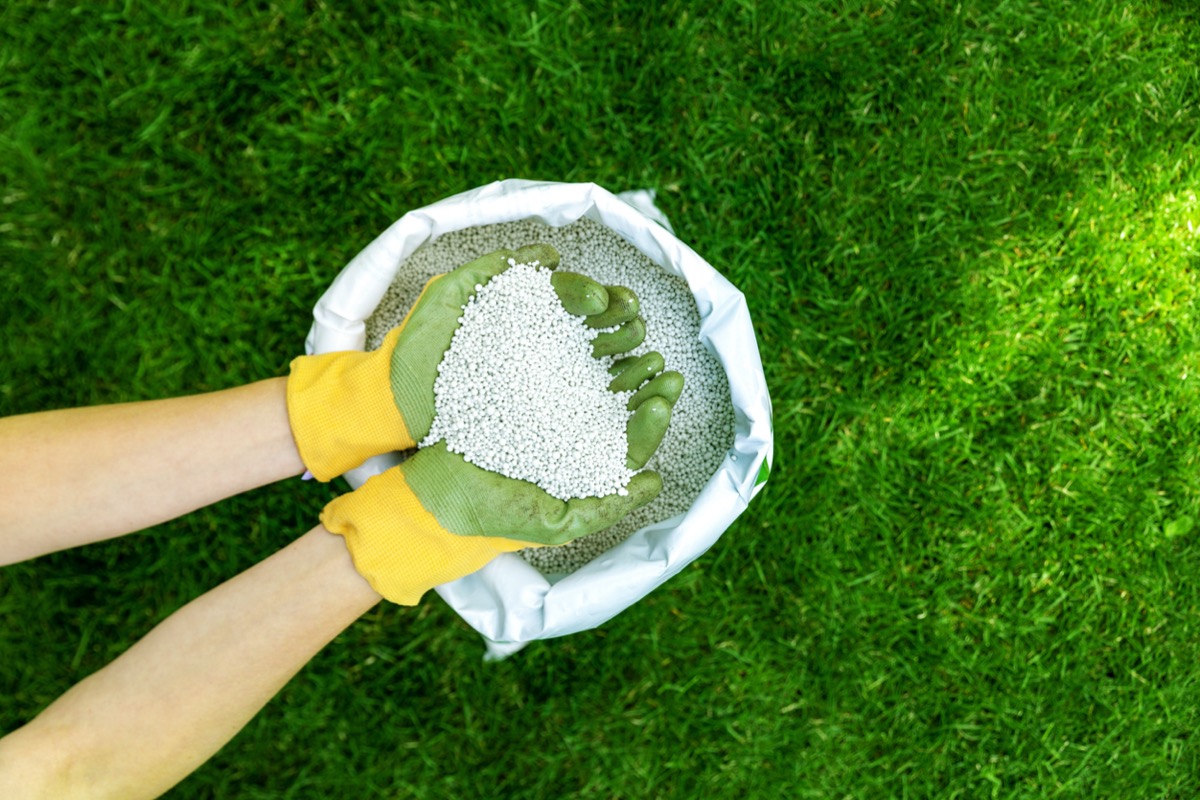
Timing is key to fertilizing your lawn, so factors such as when and how a fertilizer activates can affect your fertilizing schedule. For example, a slow-release product will apply nutrients well past the application date.
Select the right fertilizer for a new lawn.
If you’ve just reseeded your lawn, it’s OK to apply fertilizer, but you’ll want to use a product designed specifically for the reseeding period and avoid weed and feed fertilizers, which will stop grass seeds from growing. Seed-friendly fertilizers are sometimes called “starter” fertilizers, and they have a 1:1 (or close to that) nitrogen-to-phosphorus ratio. Seeds need phosphorus to develop strong roots and enable the plant to fight disease. Nitrogen assists in leaf development, so you’ll use a nitrogen-rich fertilizer about 6 to 8 weeks after seeding.
If you are seeding a brand new lawn, the best practice is to fertilize your soil with starter fertilizer before spreading seed. This is a good time to check general soil health, which can be done with a readily available soil test kit.
DIY Lawn Care. Simplified.
Bob Vila has partnered with Sunday to get your lawn exactly what it needs to thrive.
Read the fertilizer label carefully.
Before buying lawn fertilizer, scrutinize product labels to find out how long each product is formulated to last. Some time-release products will slowly distribute nutrients over a 2- to 8-month period, so leave sufficient time between applications to avoid overfertilization, which could damage your lawn.
The best time to fertilize grass is when the ground temperature is 55 degrees Fahrenheit.
When winter begins to yield to springtime and ground temperatures hit 55 degrees Fahrenheit for a run of 4 or 5 days, dormant plants, including grass, begin their spring surge of activity. This is the best time to fertilize. Fertilizing before the ground warms will be a wasted effort.
When fall rolls around, typical fall ground temperatures should be just fine for fertilizer application for cool-season grasses. But if it’s chilled down after a frost, you’ve missed your window. In that case, you’ll have to wait until the following spring.

Meet the 2025 Tools of the Year