
16 Surprising Things Around Your Home That Quietly Waste Energy

You turn off lights when you leave a room, combine errands to stretch a tank of gas, and run only full loads in your dishwasher. Yet even if you’re following the basics of home energy conservation, whether to save the earth or just save some cash, there’s still more you could be doing.
By now you probably know to unplug so-called “vampire” electronic devices, like small appliances and computer electronics, when they’re not in use—they account for up to 10 percent of total energy use in a typical household. Unplugging these energy suckers isn’t going to solve your electric bill woes, though. As you will see here, inefficient or outdated home fixtures, not keeping up with household maintenance, and sometimes carelessness can put a dent in energy spending.
1. Dirty Filters
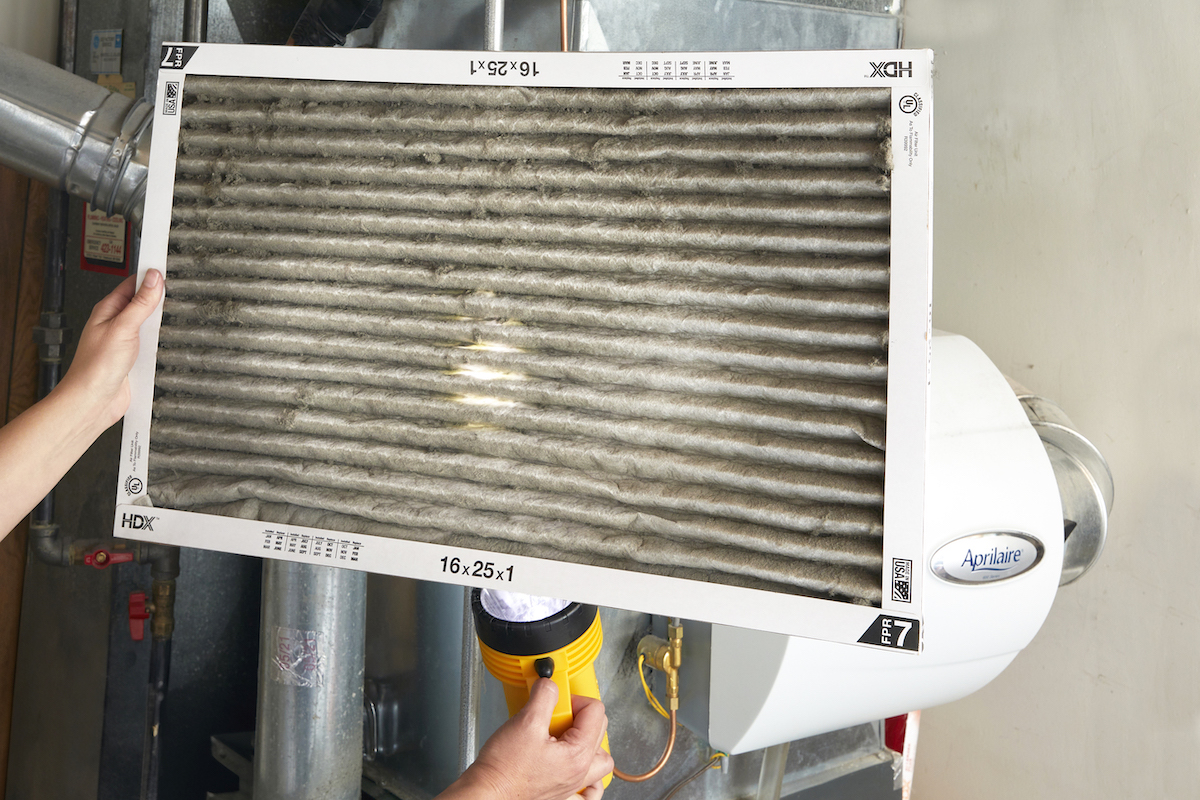
Dirty furnace filters are the number-one cause of HVAC system failures because they restrict the flow of air into the furnace’s air handler and strain the entire system. Clean or replace furnace filters at least once a month to keep your heating system running efficiently. While you’re at it, dust or vacuum the vents, returns, registers, and ducts regularly to lighten the load on your furnace.
While you are at it, be sure to clean or replace AC filters every month during the summer. Doing so will increase your energy efficiency by 5 to 15 percent.
2. Inadequate Insulation
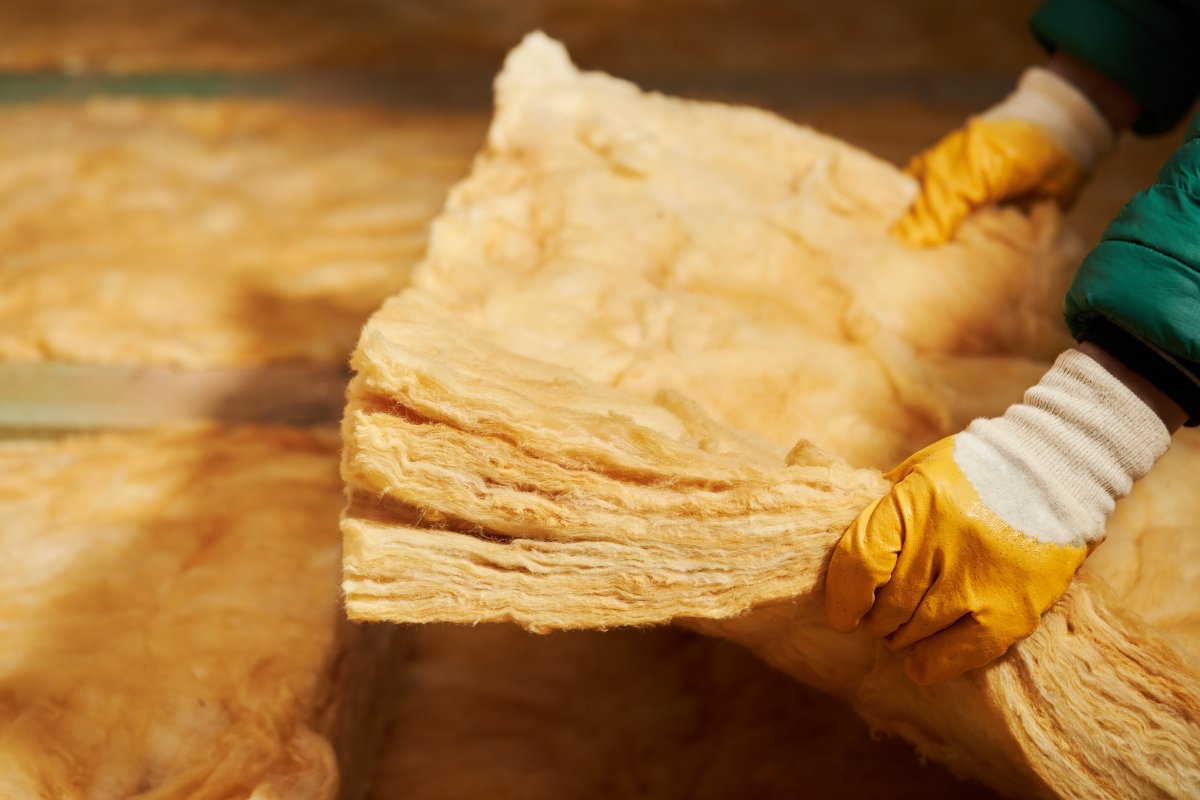
There’s a reason your mother always told you to wear a hat: You can lose up to half of your body heat if your head is uncovered. The same concept applies to your house: Just as you would cover your head before venturing outside in the winter, you should make sure you have enough attic insulation to avoid losing heat. According to Energy Star, you should have at least 10 to 14 inches of insulation in the attic, or enough so that you don’t see the joists.
3. Over-the-Hill Water Heaters
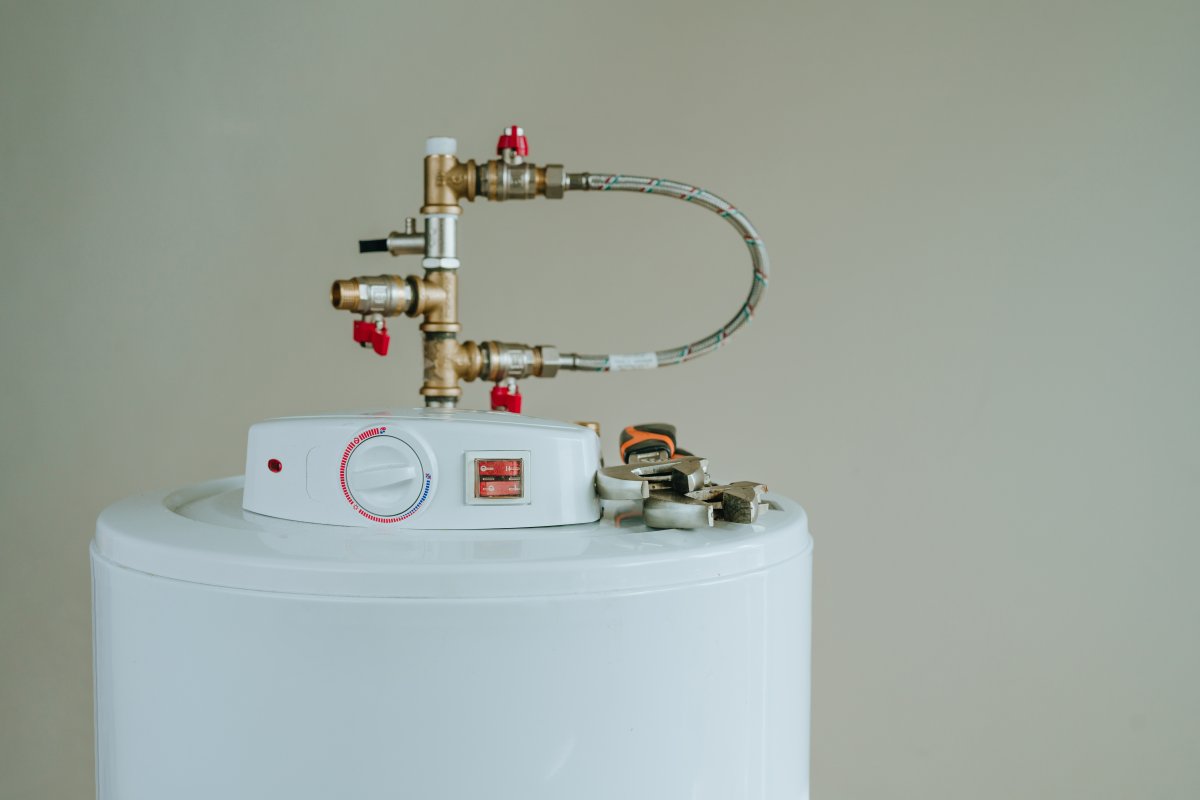
Water heaters account for 13 percent of all residential energy usage and represent the second-largest source of home energy consumption. According to the U.S. Department of Energy, more than 41 million water heaters in service today are at least 10 years old. Replacing those older heaters with Energy Star-certified models would translate to a cost savings of nearly $10 billion each year.
4. Leaky Doors and Windows
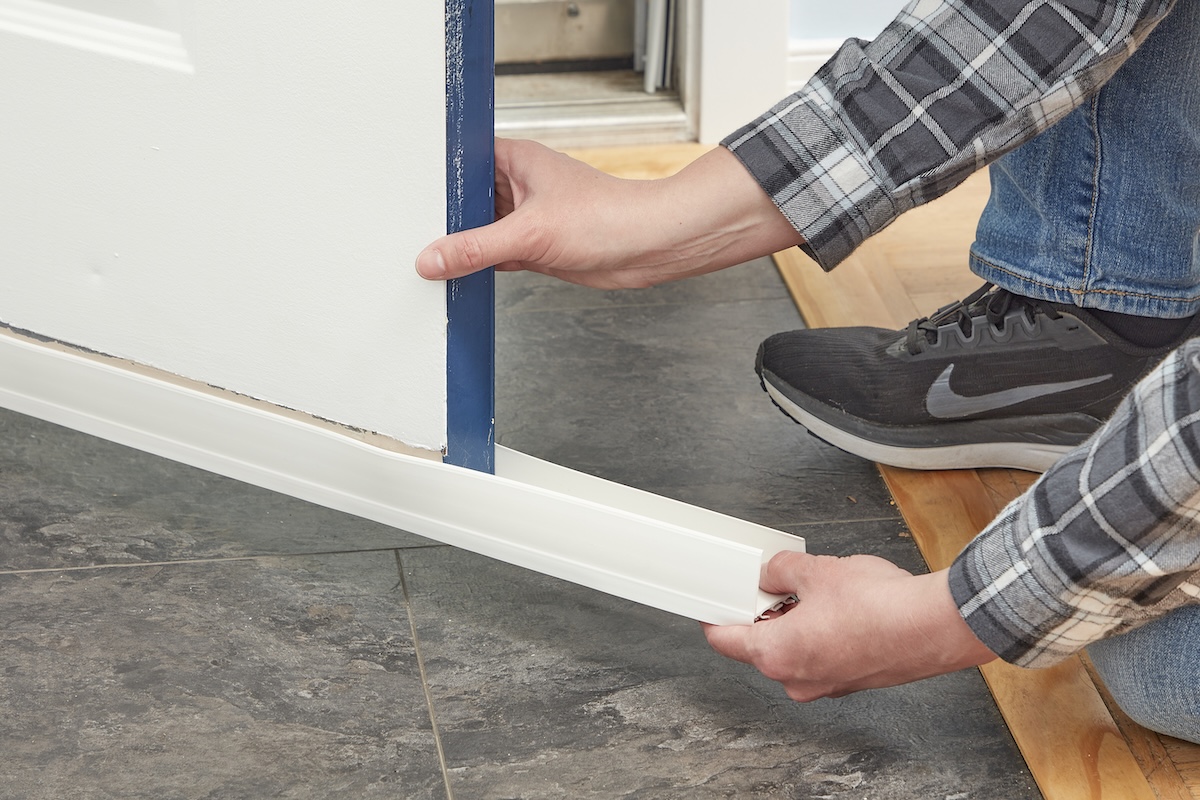
Small cracks and gaps around windows, doors, vents, or ductwork can add up to a lot of wasted energy. Check your points of egress every year for leaks (you can use a lighted candle to check for drafts). Seal the leaks with caulk or weatherstripping to reduce heating costs by up to 10 percent.
5. Inefficient Light Bulbs
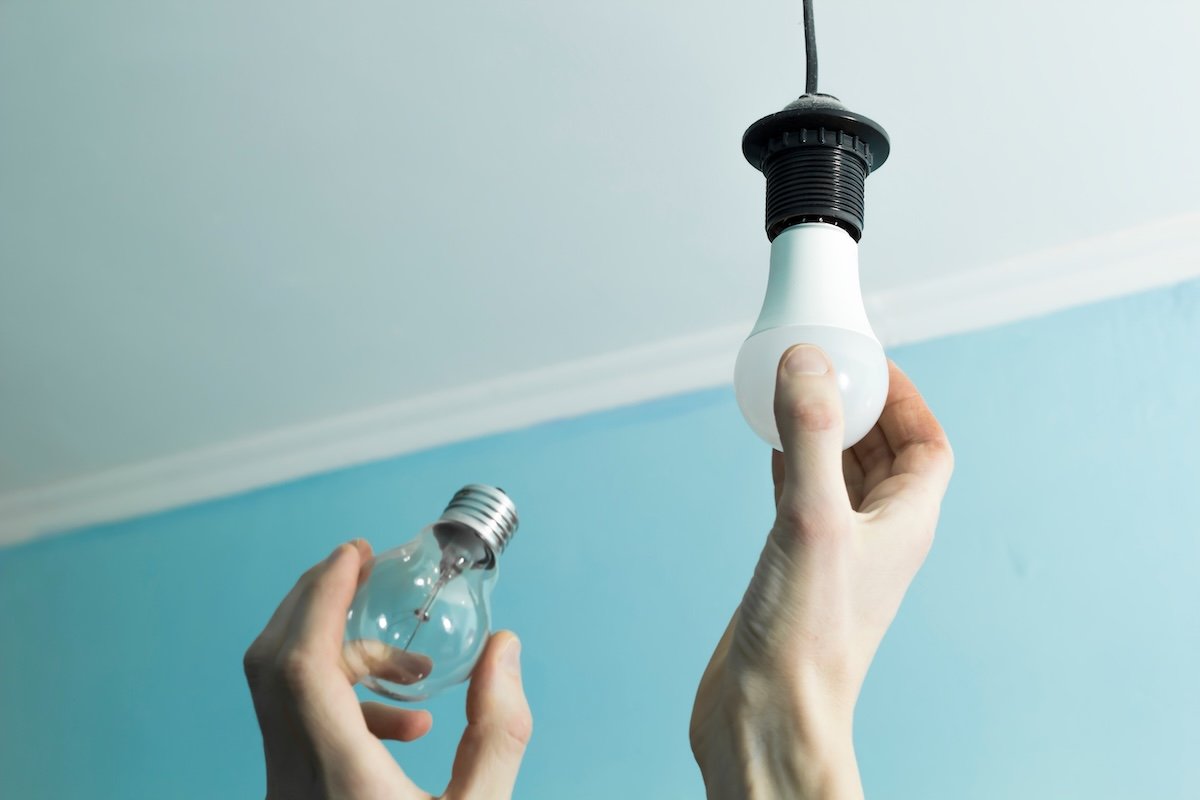
Wasted energy from inefficient incandescents can really add up over time. Energy Star-qualified bulbs and fixtures use between 70 to 90 percent less energy than standard bulbs, and last 10 to 25 times longer. And when the holidays roll around, decorate with LED string lights—they use 90 percent less energy than traditional incandescent displays.
Best String Lights
Brightown G40 LED Outdoor String Light Set
Brightown’s 100-foot-long LED string lights has 50 bulbs and is waterproof and dimmer compatible. Read the review.
See It
Photo: Amazon
6. Entries Without Storm Doors
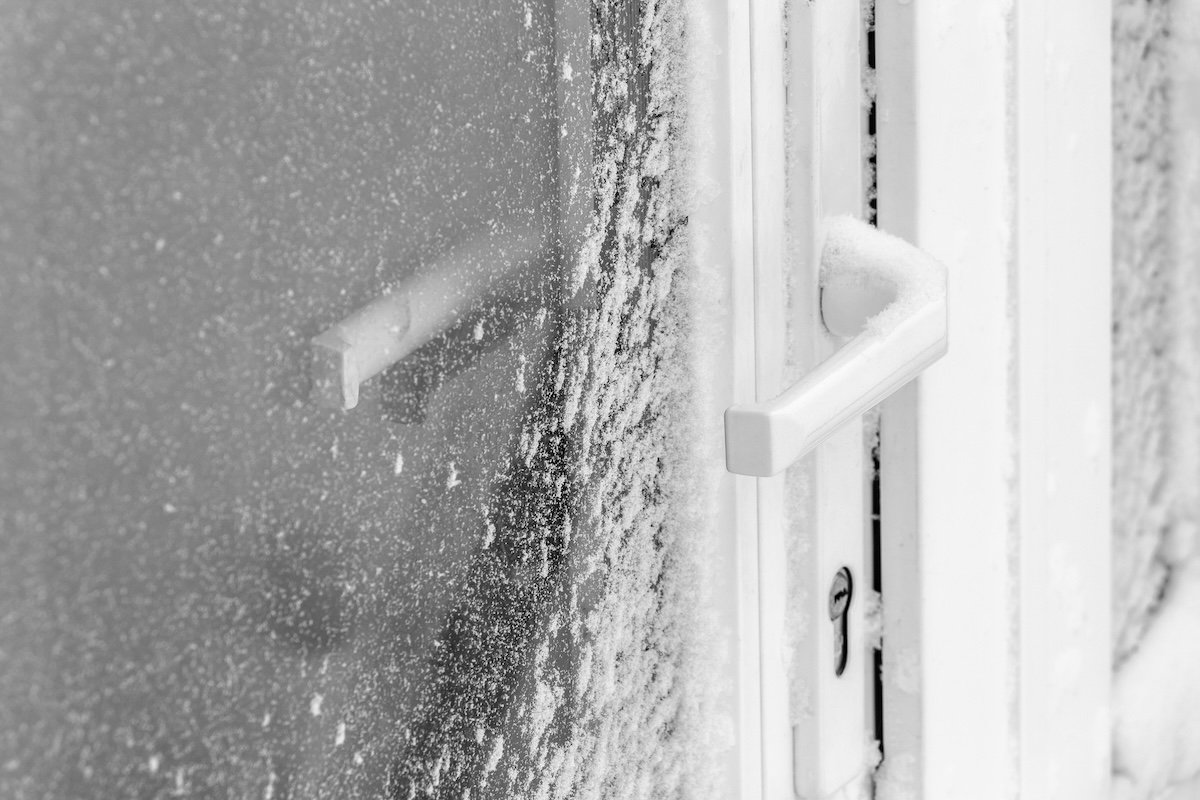
If you feel a draft coming in from the front or back door, your home could benefit from a storm door, an upgrade that’s great for both temperature control and energy conservation. A storm door can increase your home’s energy efficiency by up to 45 percent.
7. Ceiling Fans on the Wrong Setting
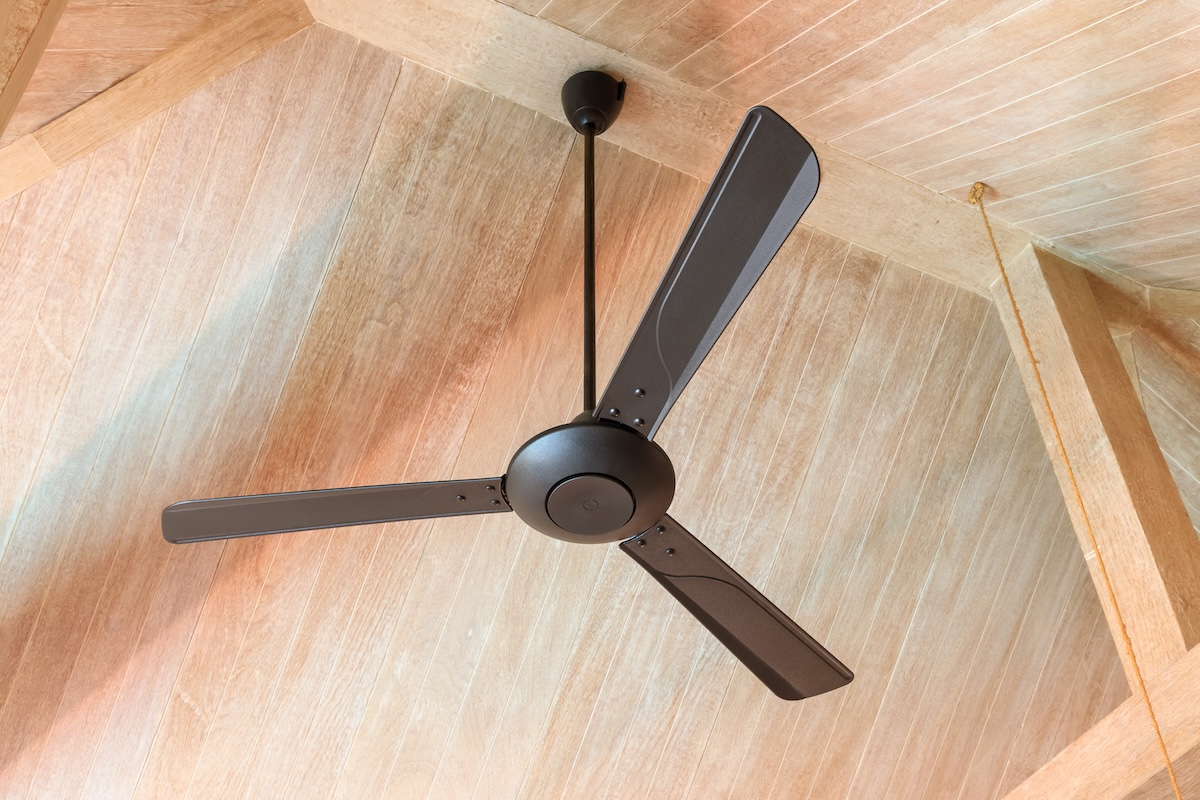
Ceiling fans can help distribute air in a room, cutting down on cooling costs in the summer and heating costs in the winter. To achieve the desired effect, make sure you are using your fans properly: Run ceiling fans counterclockwise during the summer to push air downward; run them clockwise in winter to force warm air down and through the room.
8. 20th-Century Refrigerators
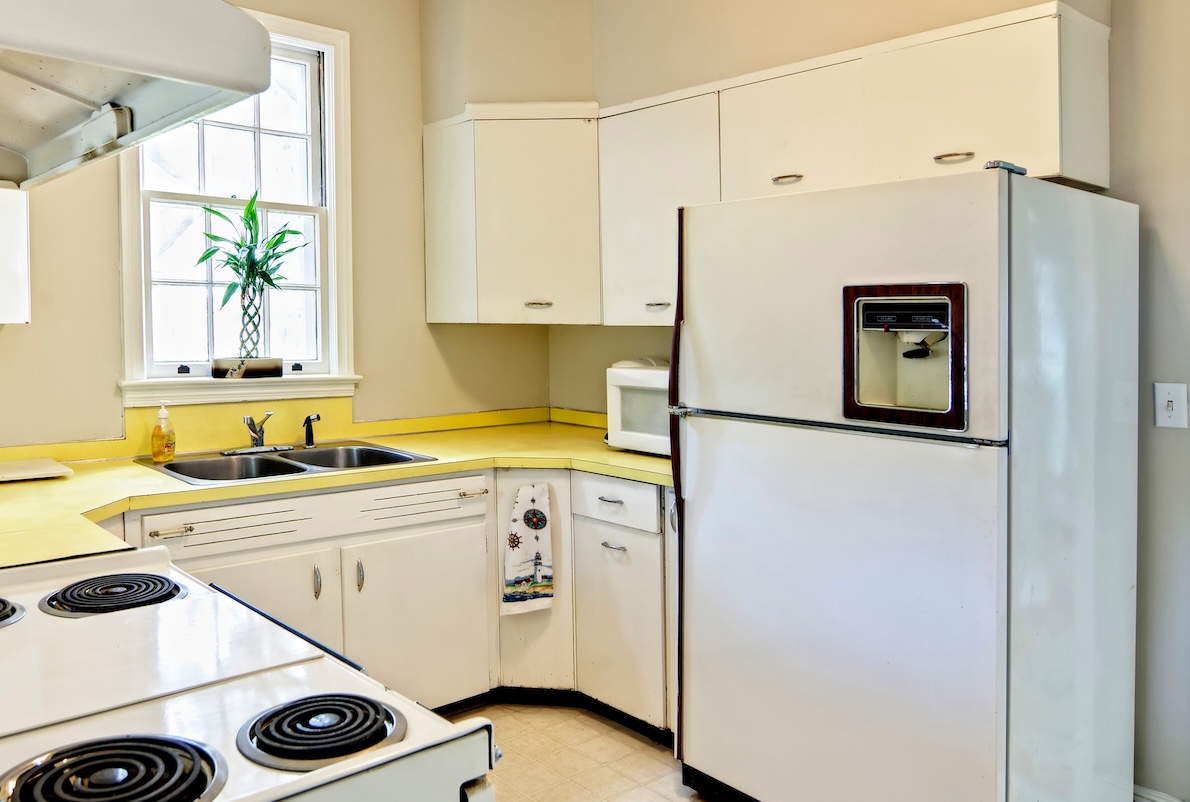
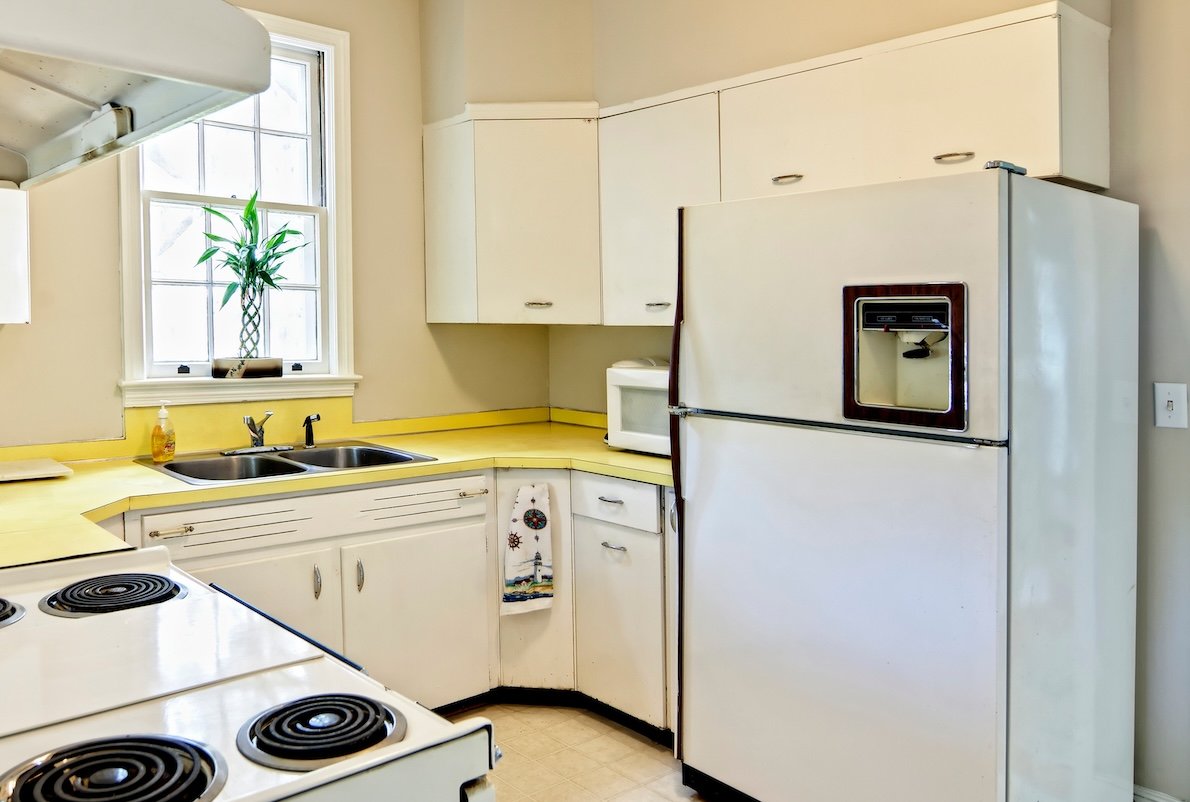
Older refrigerators are real energy hogs: A fridge from the 1970s uses four times the energy of a newer, Energy Star model. Replacing that fridge from The Brady Bunch era can save the average homeowner nearly $200 a year, while replacing a unit from the 1980s can save about $100 a year.
9. Foundation Cracks
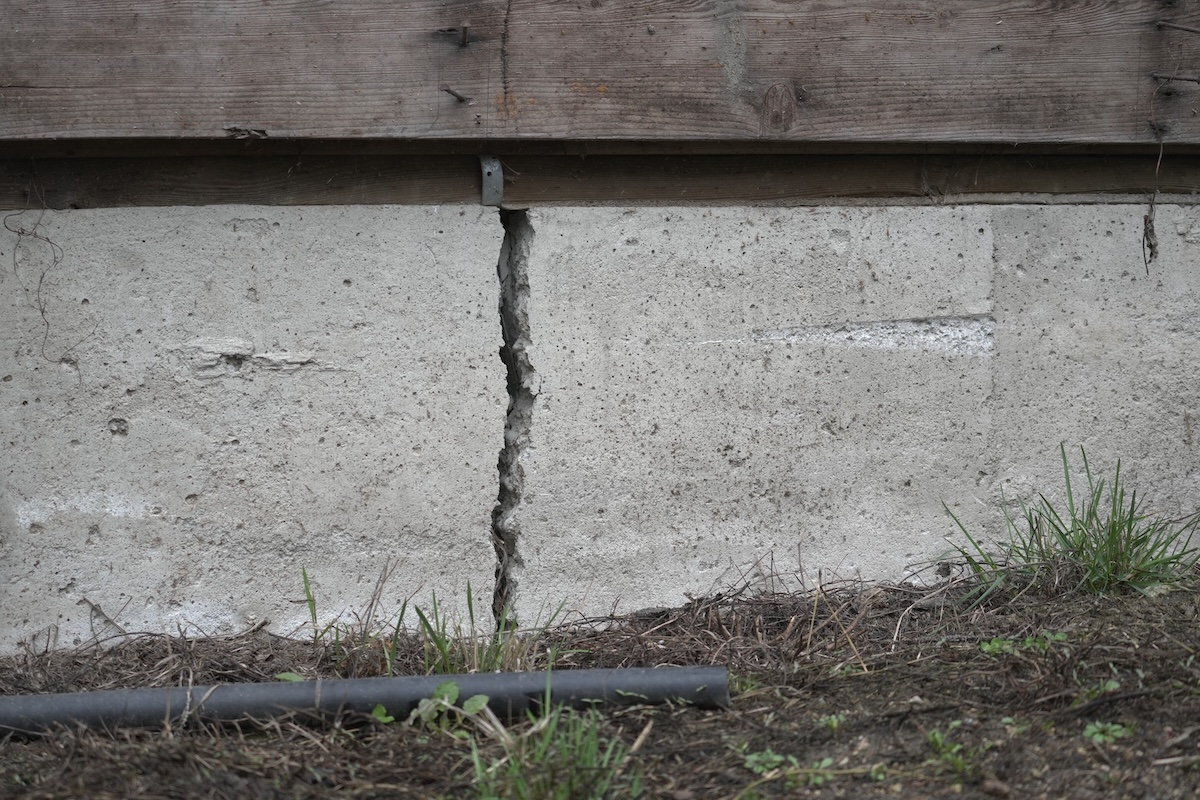
You may not think that your home’s foundation has any impact on your energy use, but small cracks or gaps in the foundation can let a lot of heat or cold escape. Carefully inspect your foundation every year, and repair any cracks. Also, seal gaps around vents or ductwork with caulk or spray foam insulation.
10. Drapes That Are Open on the Wrong Side of the House

Not using window coverings like curtains, draperies, blinds, and shades optimally can mean wasted energy and money. In the summer, keep window coverings closed on the sunny side of your home to reduce cooling costs; in the winter, let the sun shine in to help heat the house.
11. Thermostats That Are Set Too Low in Summer
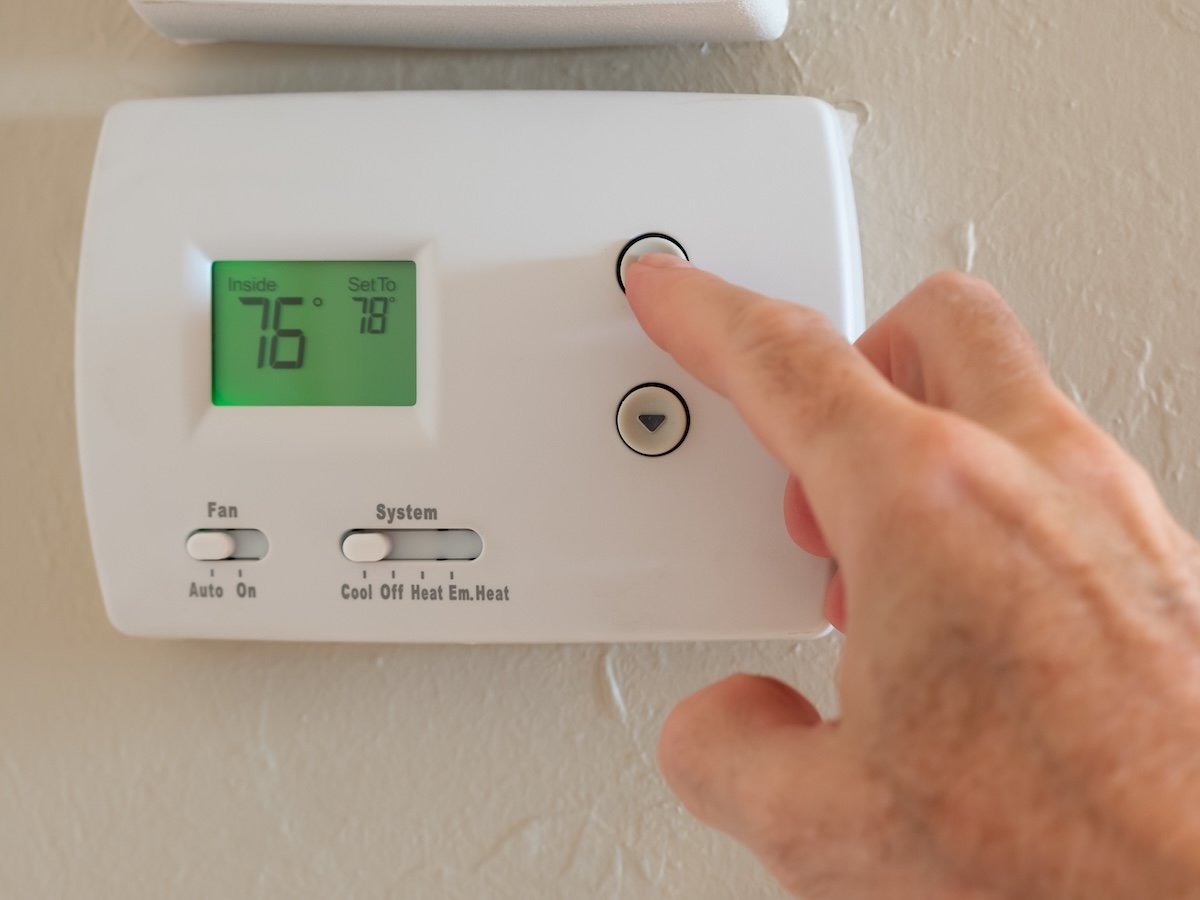
Don’t set the thermostat too low in the summer or too high in the winter. During the summer months, keep it set between 75°F and 78°F; every degree you raise the thermostat can result in a 5 percent savings in cooling costs. In the winter, set the thermostat at 68°F during the day and lower it to 60°F at night; for every degree you reduce the temperature below 70°F, you can save about 3 percent on heating costs.
12. Cool, Empty Rooms
Why cool a house when no one is home? A programmable thermostat will keep the house at a comfortable temperature when the family is home, then switch off the air conditioning or lower the heat during the day when everyone’s gone. This automation can save you hundreds of dollars a year. For maximum convenience, control your thermostat from your smartphone—check to see if you left the HVAC system running, or switch it on or off on your way home.
13. A Sprawling, Open Lawn (and Trees Planted in the Wrong Places)
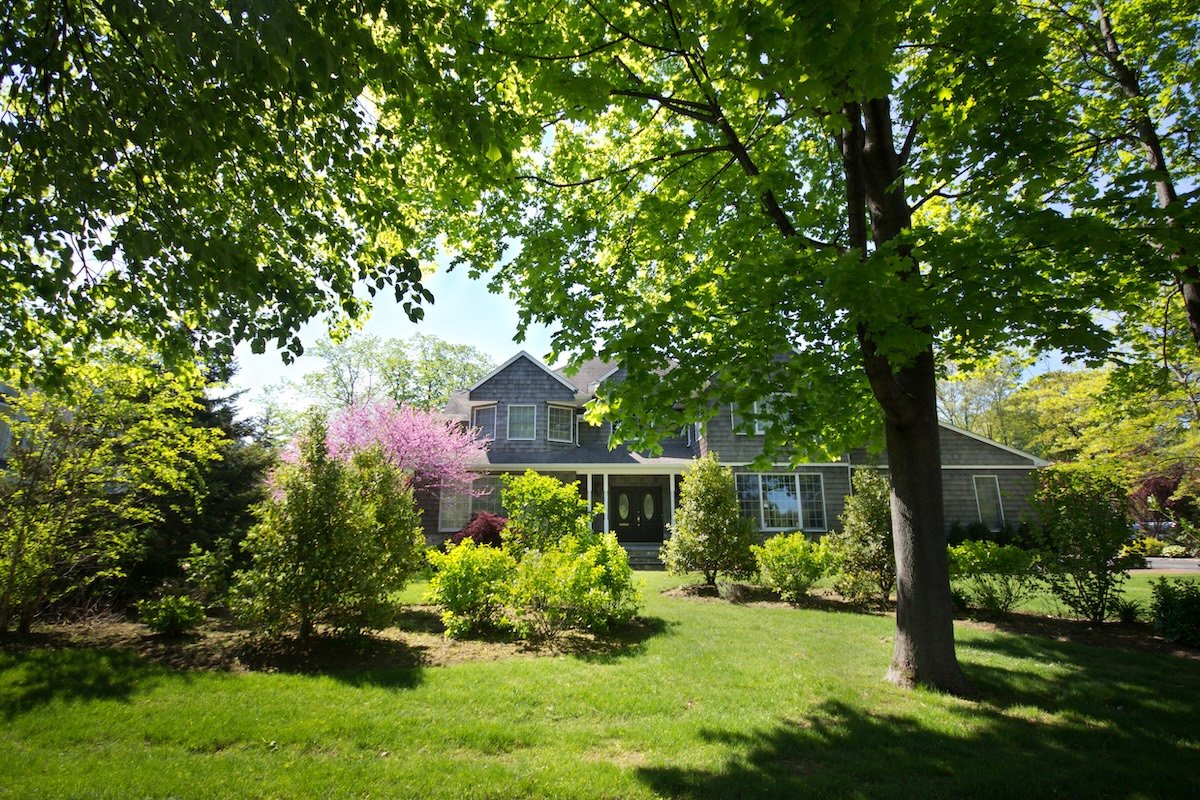
What you do to the exterior of your home can help you spend less on electricity. Strategically planted shade trees can shelter you from hot rays in the summer, and reduce air conditioning costs by 15 to 50 percent. Maintaining dense evergreen trees or shrubs on the north side of your home can help block winter winds and cut down on interior drafts, reducing heating bills. For maximum effect, plant deciduous trees like maples, poplars, oaks, locusts, to block solar heat in the summer. When the leaves and temperatures start to drop in the fall, the bare spots will let in warming sunlight.
14. Open Fireplace Dampers
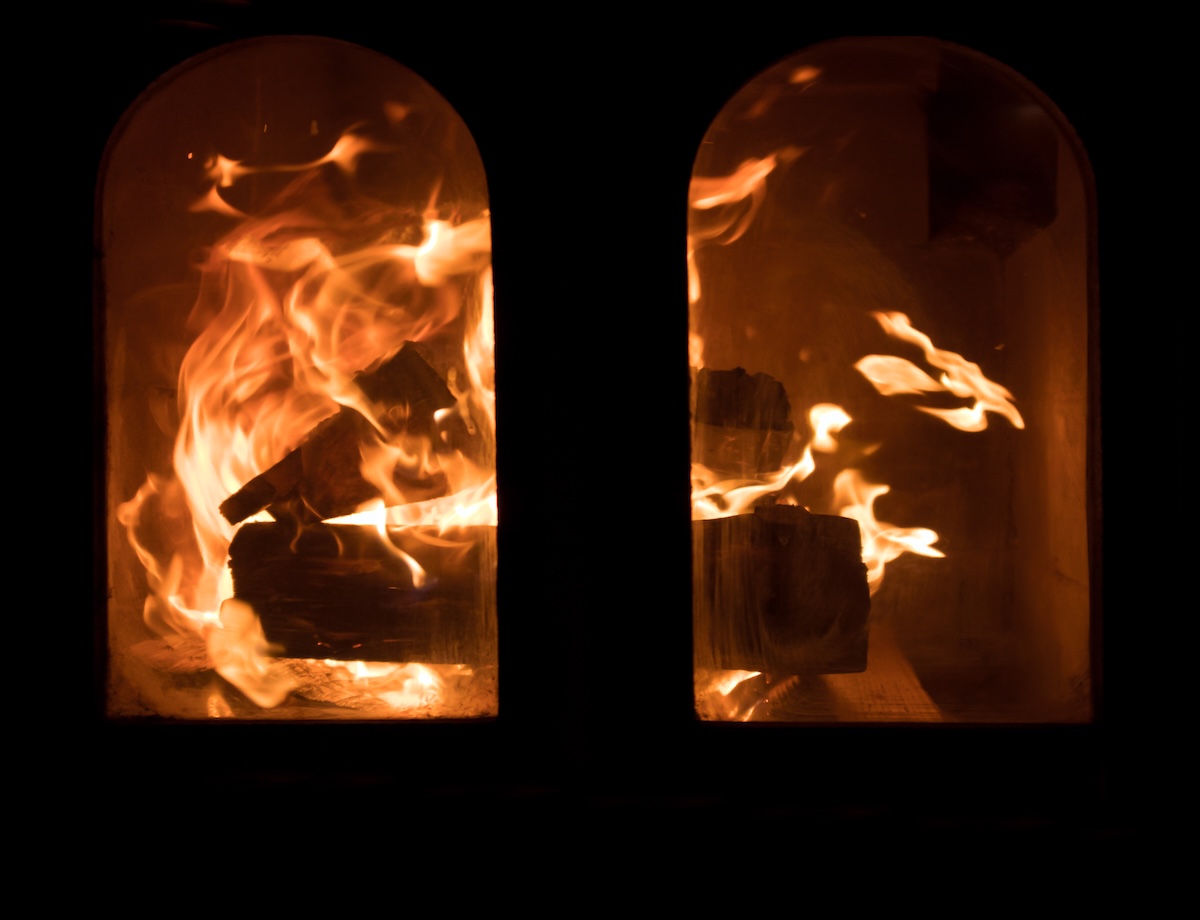
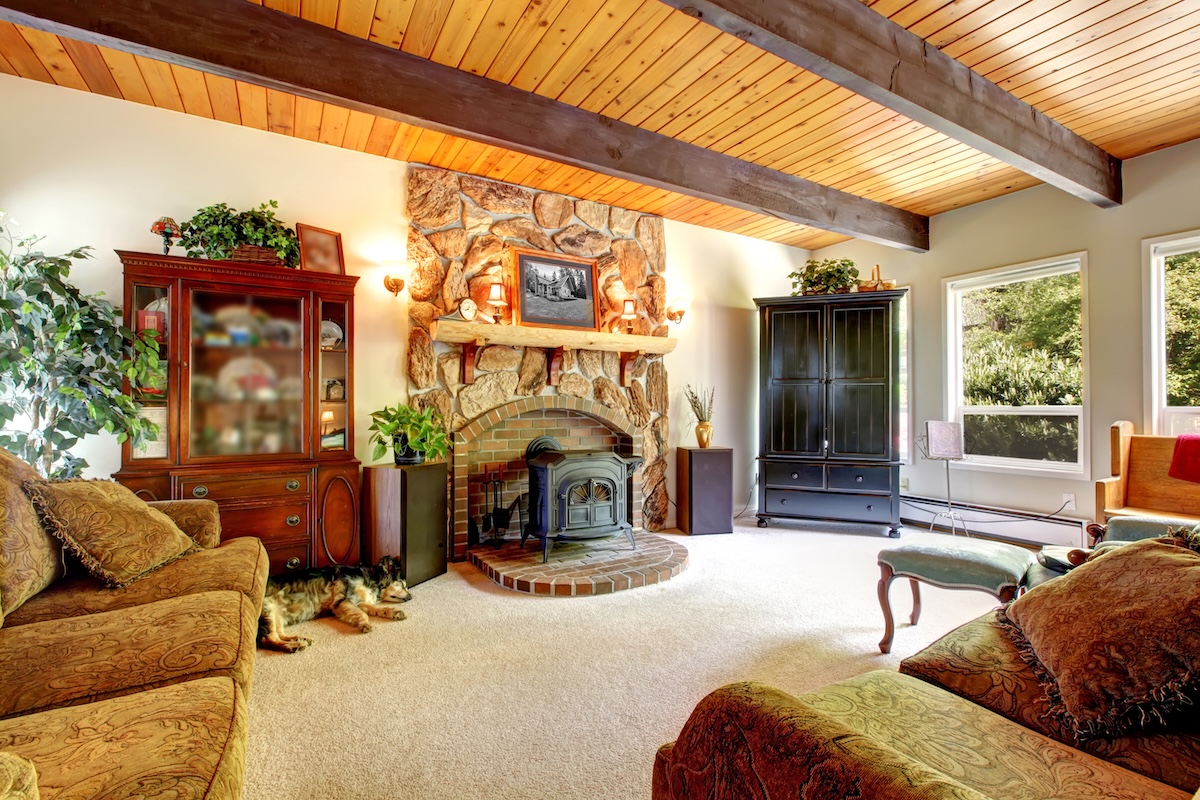
It may seem counterintuitive, but a roaring fire can actually lose more heat than it generates because heated air from inside your home gets sucked right up the chimney. If you do want to use the fireplace, install a glass screen, convection grate, or some other sort of radiant insert to minimize heat loss, and always close the damper when the fireplace is not in use.
15. Underinflated Tires
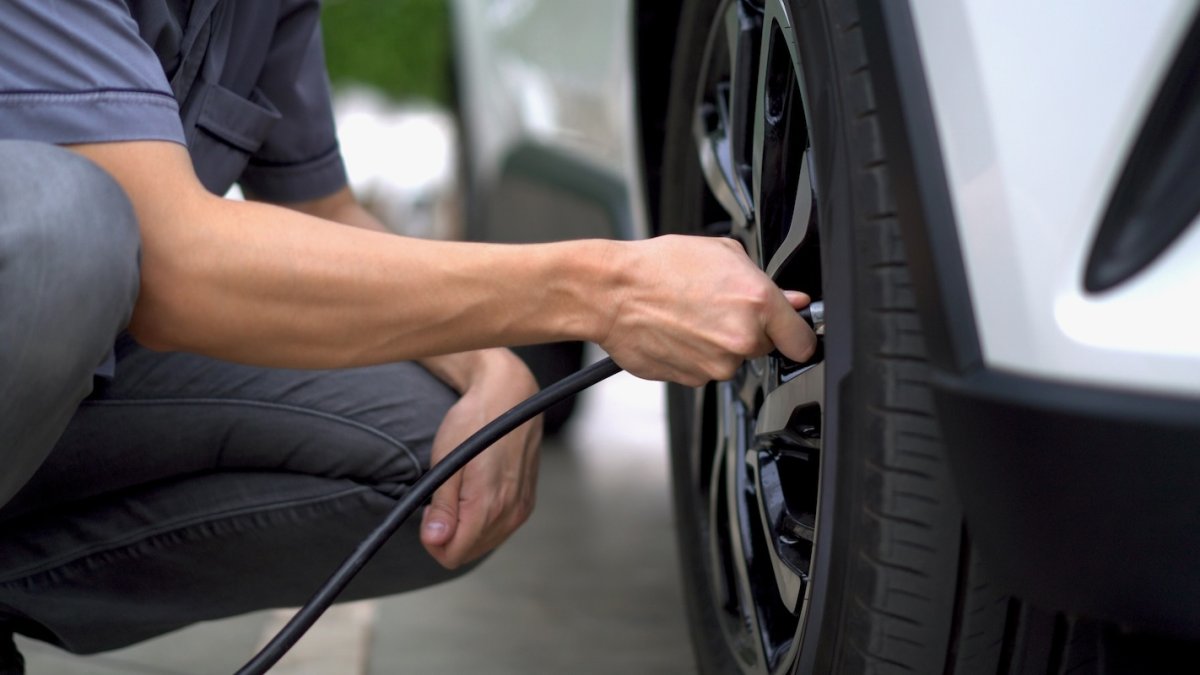
Don’t overlook potential energy savings for your car! Check your tires regularly and make sure that they are inflated to the recommended air pressure. This one simple step can improve your gas mileage by 1 to 3 percent, according to fuel economy advice from the U.S. Department of Energy.

Driving too fast wastes gas. If you follow the speed limit of 55 miles per hour instead of speeding up to 65 miles per hour, you can improve your gas mileage by about 15 percent, according to the U.S. Department of Energy. You should also avoid sudden starts, because up to 50 percent of your car’s energy is used in acceleration, according to automobile industry estimates. Gradual acceleration saves gas and makes for a more pleasant ride.

Curb Appeal Updates You’ll Appreciate Even If You Aren’t Selling Your Home