
How a ‘vacuum cleaner turned the other way’ became a popular solution to snoring disorders | Sleep

When Nick went camping in the summer with friends, he would set up his tent 100 metres away from the group.
“It became a bit that I did,” says Nick. As early as his teenage years, he learned to use humour to cope with what was immediately a social problem: the “cacophony” of his snoring.
It wasn’t until 2019, at 37 years of age, that he learned it was also a medical problem.
When a visit to the doctor revealed an “alarming” blood pressure number, despite his active life and healthy diet, Nick began to connect the dots with other symptoms he had been experiencing including frequent “uncontrollable” daytime tiredness, which led to micro sleeps in meetings and on public transport.
When Nick, who requested his first name only be used, underwent a sleep test, he noticed a device, with a long tube attached to a mask, next to the bed. It was a Cpap machine – standing for continuous positive airway pressure, which uses mild pressure to keep breathing airways open during sleep.
The attendant explained that the study was purely observational. The machine was there only in case symptoms became so severe it was needed to prevent liability issues. A shame, Nick remembers thinking before he fell asleep, as he was curious to try it.
An hour later the lights came on, as did the mask. The attendant explained that from his desk 30 paces away, they did not need microphones to assess what was happening.
Nick was diagnosed with severe obstructive sleep apnoea – a condition that occurs when the throat muscles relax too much during sleep, resulting in episodes of shallow breathing or breathing stopping.
“Snoring to sleep apnoea is a bit of a continuum,” says Dr Linda Schachter, a sleep and respiratory physician and a member of the Sleep Health Foundation board.
“Snoring is the partial upper airway obstruction, and as the obstruction gets worse, you start developing sleep apnoea,” Schachter says.
Humans have long sought practical solutions to snoring, a problem that plagues the snorer and those attempting to rest around them. An Egyptian medical papyrus from circa 1550BCE recommended using thyme, while during the war of independence in the US cannonballs were sewn into snoring soldiers’ uniforms to stop them sleeping on their backs.
But interest from a medical perspective is relatively new, Peter Cistulli, professor of sleep medicine at the University of Sydney, says.
Early in Cistulli’s career, he says sleep apnoea was considered a rare disorder. The only treatment available was tracheostomy, a surgical procedure where a hole is made in the trachea so breathing can bypass the nose and mouth.
Now, there are several less-invasive treatments available and the technologies to measure sleep have also improved. This, alongside growing awareness of sleep disorders, has driven demand for sleep services, says Cistulli, who is president-elect of the World Sleep Society.
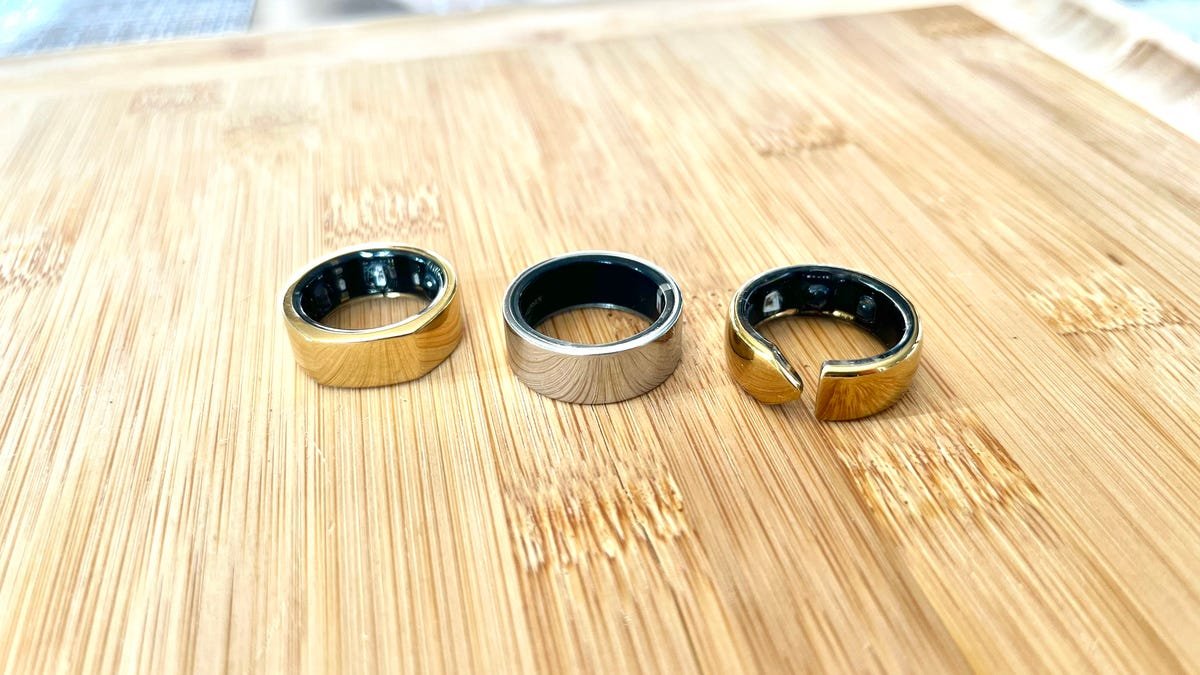
Although sleep medicine has been slowly rising in popularity for 30 years, there has been a “rapid” spike, he says, driven in part by wearable consumer tech products that monitor sleep.
Cistulli’s mentor, Prof Colin Sullivan, invented the Cpap, which was first sold commercially by the Australian company now known as ResMed, whose value has more than quadrupled over the past decade.
When Nick wore a Cpap mask for the first time during his sleep test, he slept for four hours. “The level of energy and clarity that I felt upon waking up was like nothing I had experienced in living memory,” he says, adding: “The amount of focus and energy and general sense of wellbeing that I had from getting – what turned out to be the first four hours of uninterrupted sleep that I had had in my entire adult life – was just completely revelatory.”
Initially, only people at the severe end of sleep apnoea used Cpaps but Schachter says there has been a rise in prescribing for milder sleep apnoea, as doctors increasingly recognise the condition and the significance of its symptoms.
The devices have celebrity endorsements: Amy Poehler and Jack Black both praise Cpaps for improving their snoring. On Reddit, users even credit the devices with saving their marriages.
Dr Donald Lee, a respiratory and sleep physician and director at the Woolcock Institute of Medical Research, warns that some third-party retailers such as pharmacies and online resellers try to market Cpap machines as consumer technology.
Thanks to the popularity of sleep-tracking wearables, “we now have a term called orthosomnia: a new condition where people are overly preoccupied about trying to get a perfect night’s sleep,” Cistulli says.
While the Cpap is considered a safe therapy when the machine is set up properly, Schachter says if the pressure is set too high for a person’s needs, they can end up swallowing air and getting burping symptoms, or the pressure may itself disturb sleep or cause breathing problems.
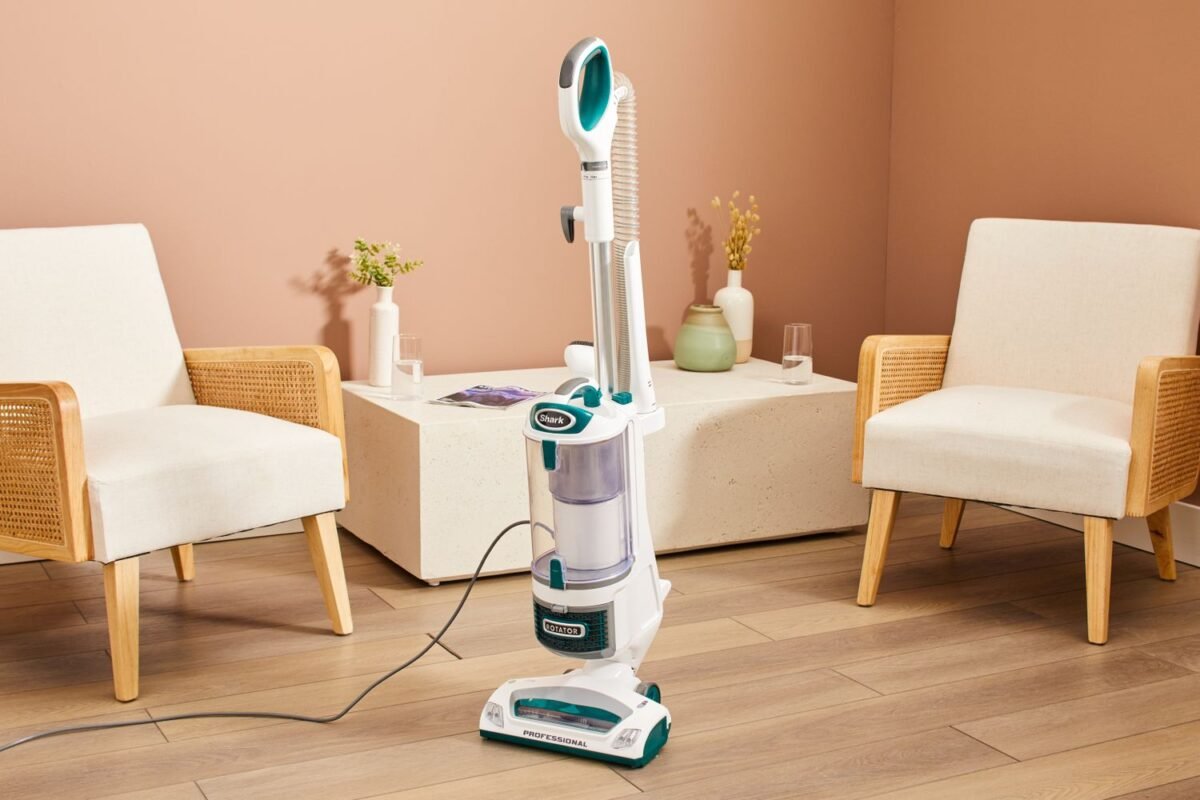
Lee also likens Cpap machines to a “vacuum cleaner turned the other way”, which can be uncomfortable and claustrophobic for some. He says people will only be motivated to use the “cumbersome” machine if it actually makes them feel better.
Cistulli says while the stereotypical sleep apnoea patient was once an overweight middle-aged man who regularly drank alcohol, “we’re seeing more subtle forms of sleep apnoea at younger ages, across genders”.
Schachter says doctors are more aware now that women have been under-treated for sleep apnoea. While women might be diagnosed with a mild condition based on their number of breathing episodes, they tend to have more significant symptoms of tiredness.
There is also more recognition of “upper airways resistance syndrome”, where a person doesn’t fully fit the criteria for sleep apnoea but their breathing still causes sleep disturbance and awakenings, Schachter says.
Cistulli agrees that snoring warrants medical investigation. “There’s often a misconception that snoring is benign … my own philosophy is that if you want to prevent the development of sleep apnoea, you probably ought to be treating snoring before it develops into sleep apnoea.”
Even without sleep apnoea, Schachter says “you can have health risk just from the snoring itself”, as a few trials have shown an association with stroke. But Lee believes bigger datasets are needed before there is cause for concern around these reports.
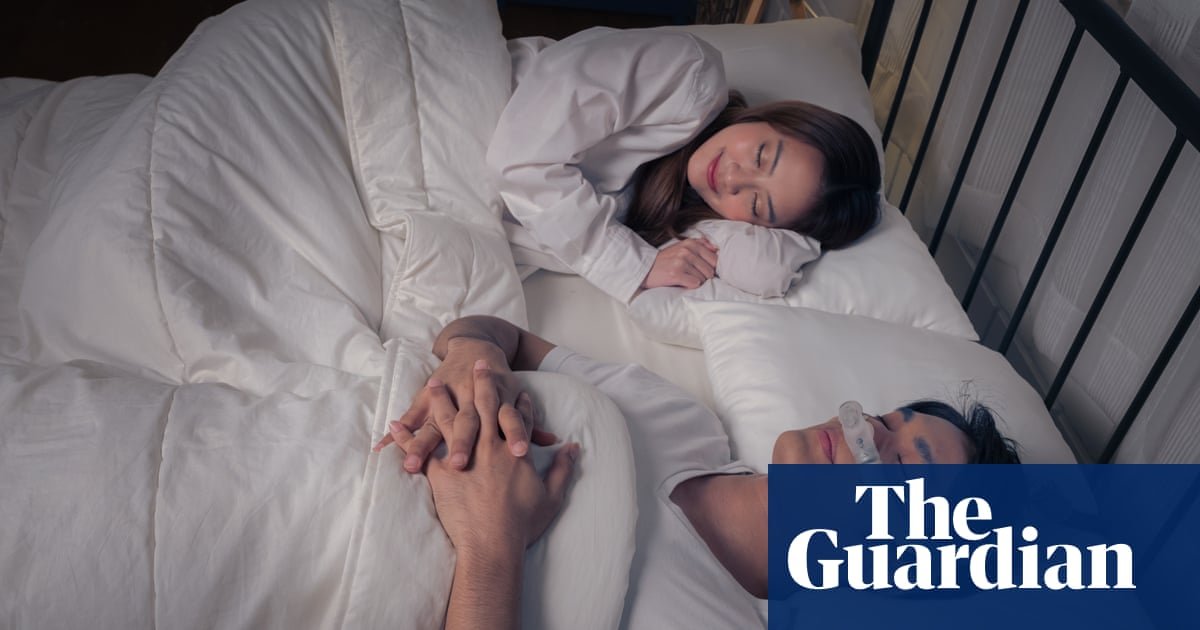
Beyond health issues, snoring affects relationships. If someone’s snoring disturbs their partner’s sleep, this is also worth treating, Schachter says.
If a sleep test reveals there is no sleep apnoea, only snoring, Schachter says it would be unusual to treat the person with a Cpap, unless the person is very symptomatic or has upper airways resistance syndrome.
She emphasises that many treatments are available beyond Cpaps, which can cost more than $1,000 if not covered by health insurance, including mouth splints, external nasal dilators if a person has narrow nasal passages, as well as weight-loss drugs if excess weight is a factor contributing to snoring.
Those treatments are often the first line for mild to moderate sleep apnoea says Lee.
He adds that if a person is troubled by any aspect of their health, they should speak to their doctor.
Nick likens his Cpap to getting a pair of glasses after not realising there had been a gradual erosion of eyesight. Now after many years of using it to manage his condition, he says, “It’s just not that big of a deal.
“In a world of trade-offs, it’s absolutely no contest,” he says. “Self-care is sexy.”