
Water Hammer in Home Plumbing: Causes and Solutions

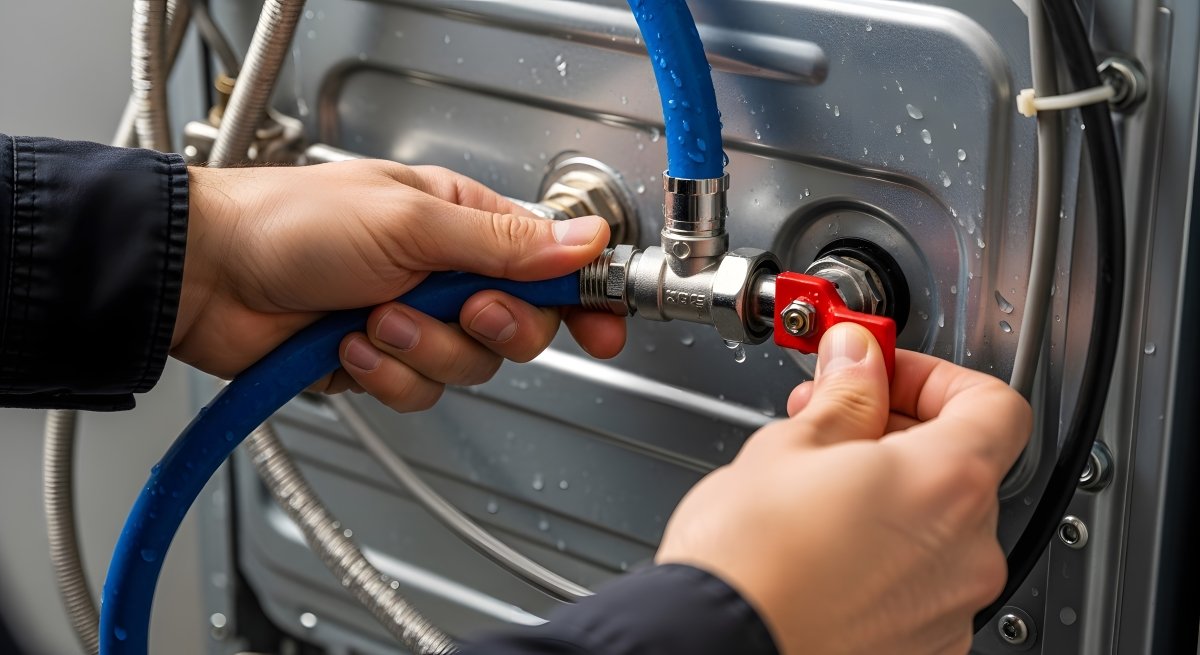
That awful banging you keep hearing in the walls when your washing machine runs is a dreadful reminder that something is awry with your plumbing. But is it an urgent matter? And why is it happening?
Called water hammer, that banging racket you’re hearing is a form of hydraulic shock caused by the sudden pressure to stop the flow of quick-moving water.
Here’s what you need to know about water hammer and how to fix it.
What causes water hammer?
Water hammer occurs when the shut-off valve on a high-pressure water line suddenly closes. As your washing machine fills, water rushes quickly through the pipes in your home until—when the drum reaches capacity—the washer valve abruptly closes.
With nowhere to go, the fast-moving water supply slams against the side of the pipe with an intense surge of pressure, causing the pipes to jerk and thud against wall framing or other pipes. As a result, you hear a loud series of bangs. You might even feel the pressure shaking the house.
Effects of Water Hammer
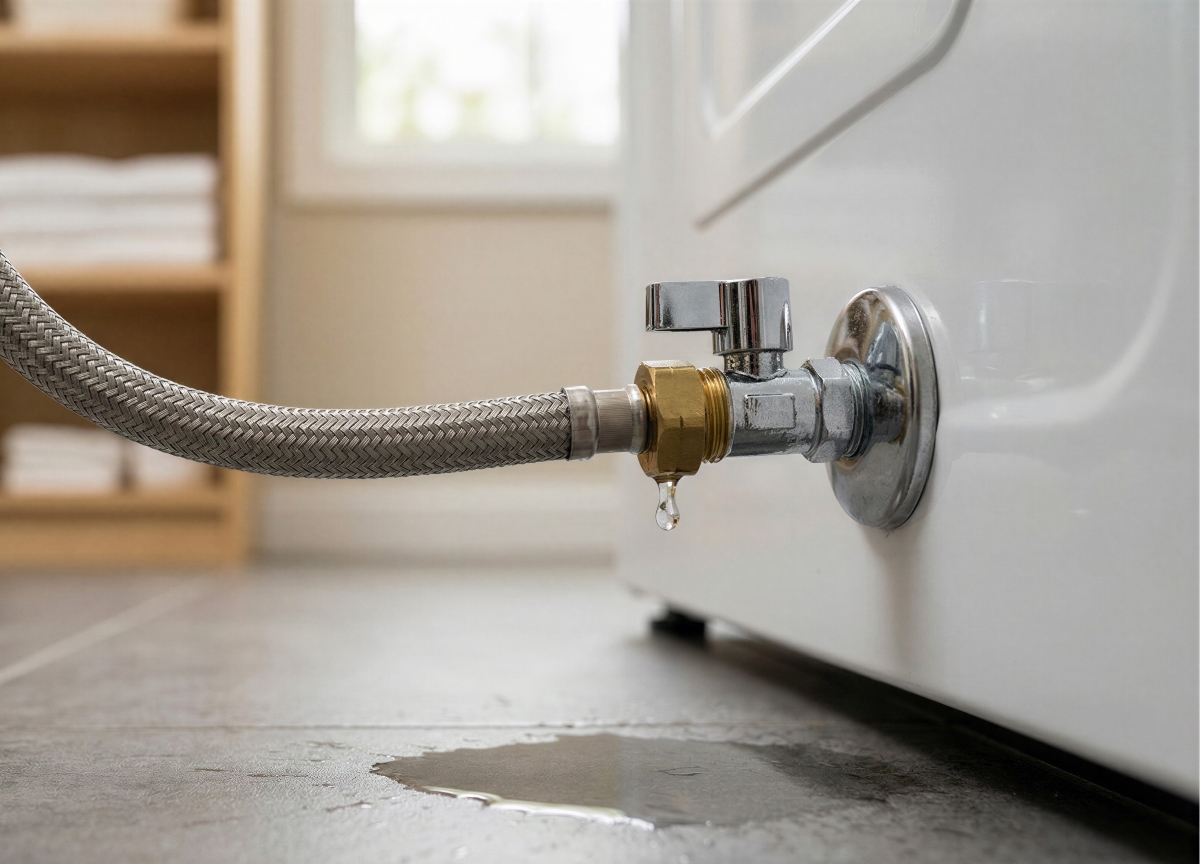
Water hammer can cause ruptured pipes, leaks, pump and flow system damage, and external property damage.
• Pump and flow system damage. If left untreated, water hammer can damage valves and pumps within the system. This damage can weaken joints and make the plumbing system vulnerable to rupture.
• Ruptured pipes. More than just producing an annoying clamor, water hammer can vibrate the pipes so significantly that the pressure can actually damage the pipe connections and joints. The result could be cracks or weakened joints.
• Leaks. When pipe connections weaken so severely, the result could turn into water leaks and costly repairs. Some leaks may be hidden at first, causing a slow drip inside the walls.
• Property damage. If a hidden leak isn’t discovered and fixed quickly, it could result in mold or structural damage to your home over time.
How to Fix Water Hammer
Homeowners can usually eliminate water hammer inexpensively and without the help of a professional. There are a few easy water hammer fixes, and a few more complicated fixes, that can solve most occurrences.
Clear the air chamber to reduce water hammer.
Many homes have air chambers installed within their walls, but sometimes the air chamber can stop working properly if it becomes waterlogged. The air chamber absorbs the shock of the water once the valve closes, preventing the water from loudly slamming against the side of the pipes. The vertical pipe located near the water valve helps alleviate water hammer by acting as a cushion.
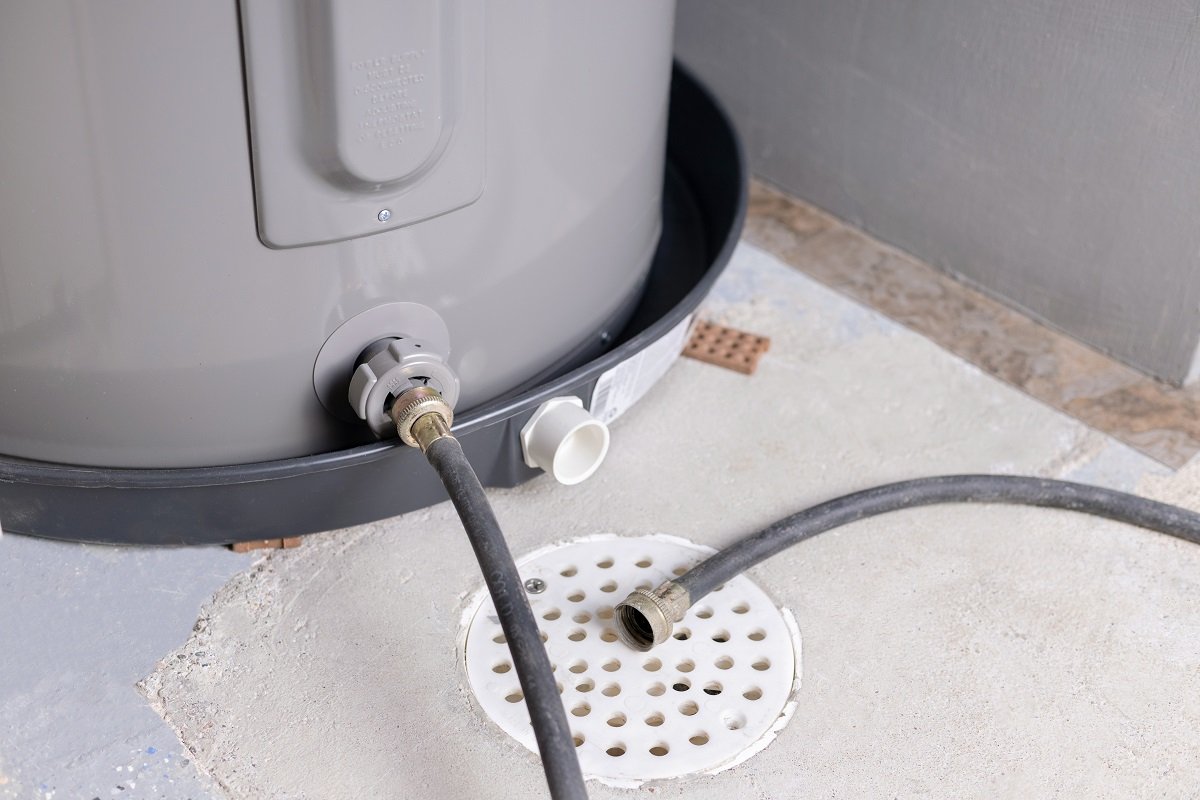
To fix the issue, homeowners need to drain their plumbing system:
- Shut off the main water valve to the home.
- Open the highest faucet in your home.
- Open the lowest faucet in the house (usually in the basement or first floor).
- Open other faucets throughout the home, and flush toilets.
- When all water has drained and the water has stopped flowing, 20 to 30 minutes, turn the main back on.
The air chamber will fill back up with air instead of water, which will hopefully solve the water hammer problem. If your home doesn’t have an air chamber, consider having one installed by a professional.
Cushion water supply lines with pipe insulation.
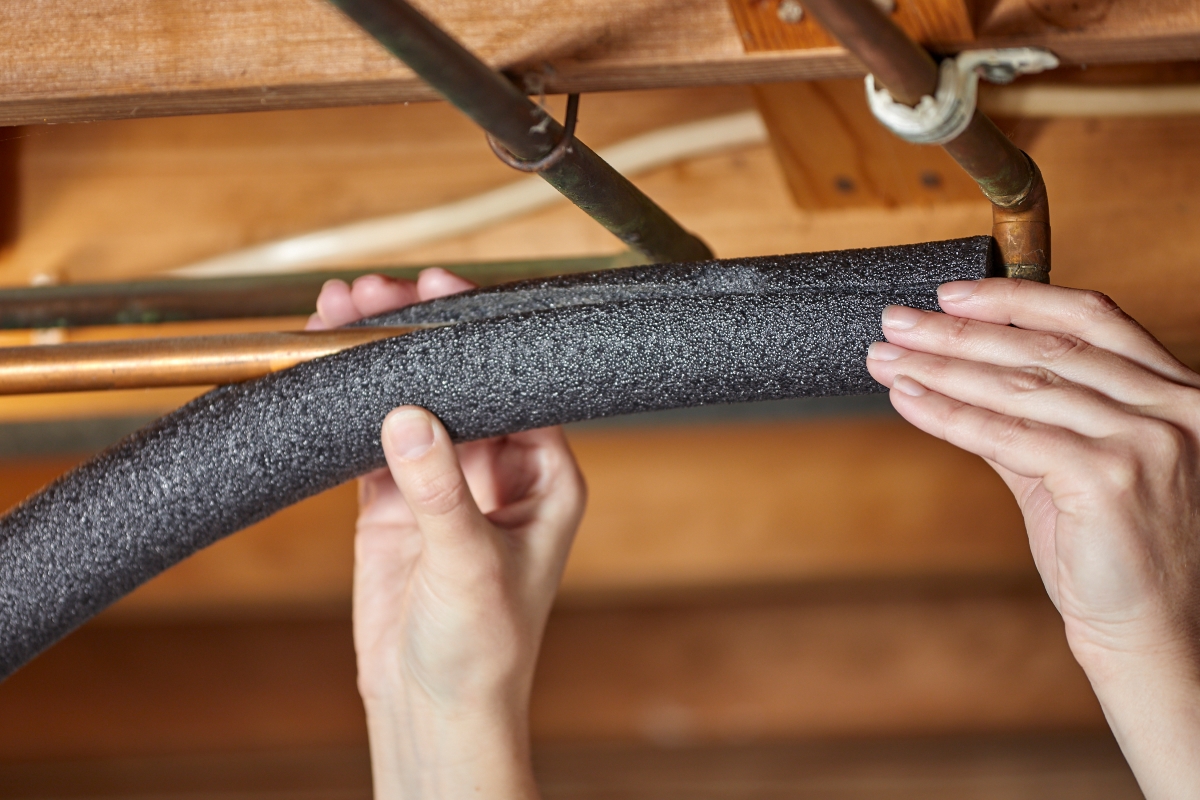
Pipe insulation is designed to fit around water supply lines to keep them from freezing. But they also work great for cushioning loose, banging pipes.The foam tubes come pre-slit from end to end, so all you need to do is run your finger down the slit to open the tube, then fit it over the water supply line. Foam pipe insulation is typically sold in 6-foot lengths, ranging from around $3 up to $8 per tube depending on density.
How to Prevent Water Hammer
When modern plumbing is installed correctly and maintained, the pipes have air chambers inside that help soften the sudden stop of water flow and eliminate the sound of water hammer. It’s important to make sure pipes are running clear.
Install water hammer arrestors.
Water hammer arrestors have air-filled cylinders that absorb the jolt of a sudden water pressure increase when a valve shuts off. Most arrestors available today are easy to install, and feature screw-type connectors that attach between a water-supply line and a shut-off valve.
If you go this route, make sure to install two arrestors: one on the hot water supply line and one on the cold water supply line adjacent to the appliance that’s causing the water hammer. Installation can be a DIY project. Here are the steps for installing water hammer arrestors :
- Gather supplies: Towel, bucket, wrench, hammer arrestor
- Shut off the appliance’s valves and disconnect the water supply line.
- Screw the water arrester to each of the water supply valves.
- Reconnect the water supply lines.
- Check the connections for any leaks.
Adjust the water pressure reduction valve.
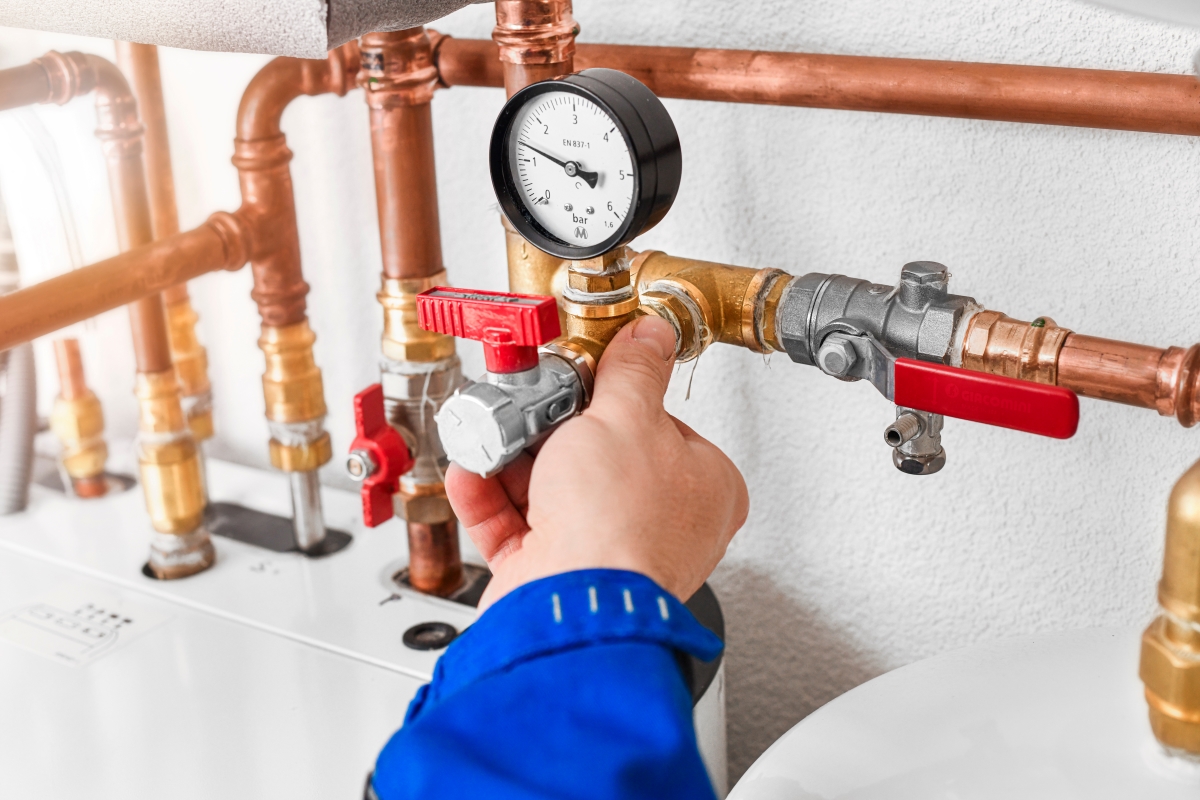
Sometimes excessive water pressure in your pipes causes water hammer, in which case emptying the air chamber of water or installing a water arrestor offers only temporary help.
To regulate the pressure, homeowners can adjust their pressure-reducing valve.
- Locate the water pressure reduction valve. These valves exist in most homes nowadays, often located at the entrance point of a home’s main water supply.
- Choose the proper tool. Depending on the manufacturer, some valves have a handle for adjustment, while others require a wrench or screwdriver.
- Use the proper technique to adjust your valve to a setting below 50 psi (pounds per square inch), which is a sufficient setting for most homes.
Reducing the water pressure in your home saves energy, promotes water conservation, and potentially prolongs the life of your automatic appliances (including pricier investments such as washing machines, toilets, and dishwashers). If you don’t have a pressure reduction valve, consider installing one.
Reduce excessive water pressure at the meter.
If your home doesn’t have a pressure-reducing valve, consider asking the municipality that controls the water system to check your home’s water pressure. Municipal water systems often maintain the water in their lines at pressures around 200 psi, but residential water lines aren’t designed to safely accommodate that much pressure.
The municipality will usually check your water pressure for free and can reduce it if necessary.
Stabilize loose water supply lines to prevent banging.
During home construction, plumbers use asU-shaped pipe straps to fasten water supply lines to wooden joists or studs with screws. If the straps aren’t tight enough—or if a few straps are missing—the pipes can knock around and create noise.
To stop the banging, tighten loose pipe straps with a screwdriver, or install additional pipe straps for added stability. Most pipe straps are molded from thin metal or plastic, but you can also find padded pipe straps that offer additional vibration reduction.
Note: Keep in mind that homeowners should never use galvanized or steel straps on copper pipes, since the combination of materials causes electrolysis and plumbing leaks. Copper straps are a better choice.
Final Thoughts
Now that you understand more about what water hammer is, what causes it, and how to do some DIY fixes, you will know what to do when you hear that banging sound during the laundry wash cycle. Not only does fixing water hammer eliminate the annoying noise, it also prevents bigger problems that can be costly and difficult to repair without the help of a plumber.
FAQ
Q. Why did I suddenly get a water hammer?
According to the American Society of Plumbing Engineers, water hammer can begin suddenly after a valve abruptly closes. This closure stops the flow through the pipe.
The sound of water hammer pulsation is brief but persistent and it will continue until the source of the problem is fixed.
You should take water hammer seriously as soon as you first hear it. Because it can cause significant damage, it is urgent to address the noise before long-term damage to your plumbing happens or a leak begins.

I Made This One Smart Investment to Ensure My Plumbing and Appliances Last Longer