
How Long Does It Take Strawberries to Grow?

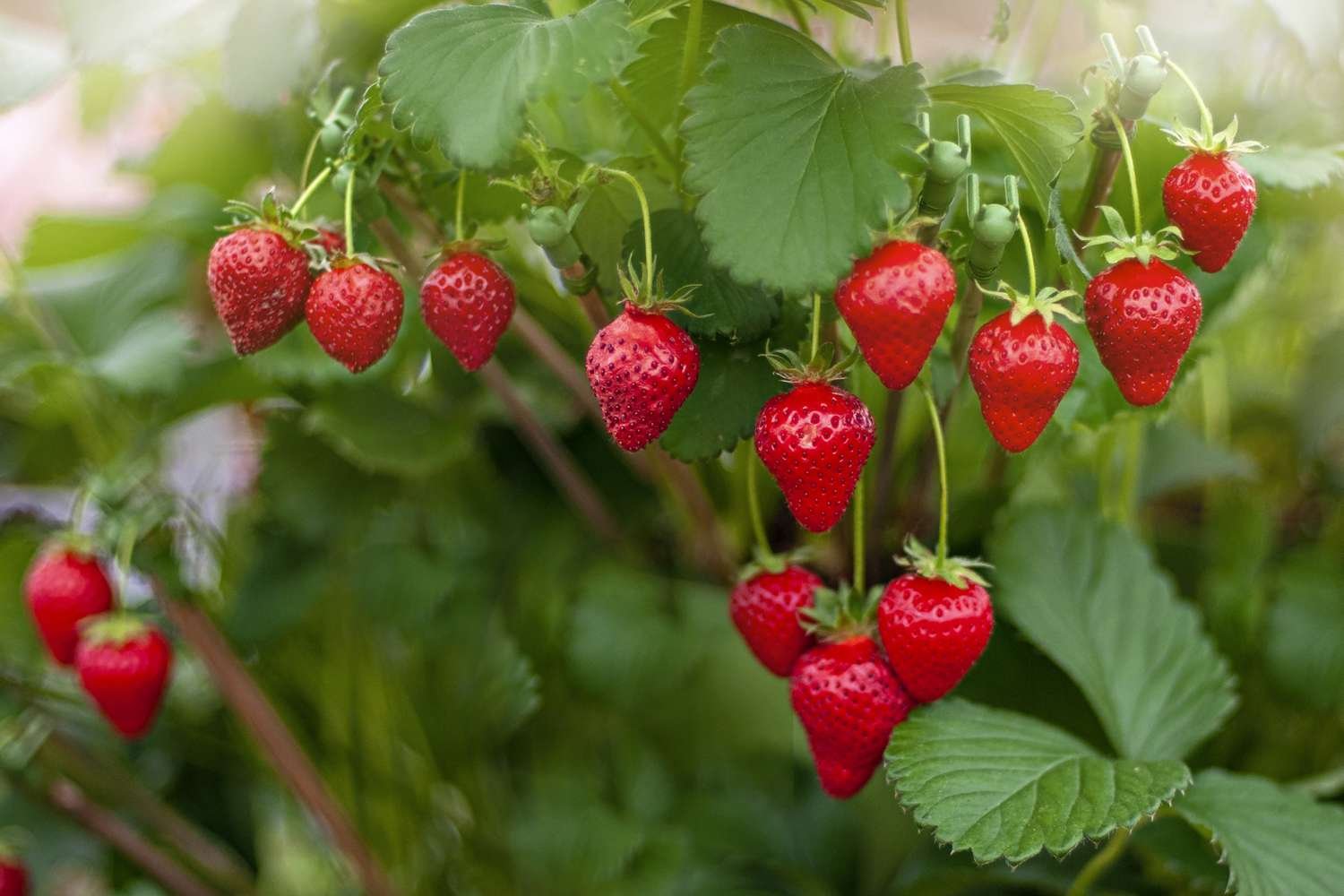
:max_bytes(150000):strip_icc():format(jpeg)/how-to-grow-strawberries-259908db56fd4bcc936738fc815eca10.jpg)
Key Points
- Growing your own strawberries is a rewarding way to enjoy fresh, flavorful fruit right from your garden.
- Strawberries typically take about four to six weeks to ripen after blossoming, depending on the variety and climate.
- To speed up growth, plant bare-root or live plants, provide consistent care, and remove runners for faster fruiting.
A vibrant, juicy strawberry is a delicacy like no other. And while grocery stores and farmers markets may overflow with this popular fruit, being able to grow your own guarantees the freshest, most delicious berries.
However, impatient gardeners may wonder—how long does it really take to grow strawberries? Ahead, we spoke to experts about the process and how you can speed it up for an earlier harvest.
- Teri Speight, landscape gardener, garden coach, podcast host, and co-author of The Urban Garden
- Desiree’ Samone-Sims, edible gardening expert and founder of Peas & Love
How Long Does It Take Strawberries to Grow?
Ask a group of gardeners how long it takes to grow strawberries, and you’ll get a wide variety of responses. This is because there are many different types of strawberries, and different techniques for growing them.
“Understand what varieties are suggested for your zone,” says garden coach and author Teri Speight. “There are early, mid, and late-season cultivars.” These varieties include June-bearing (sets fruit once in June), everbearing (sets fruit throughout the season), and Alpine (sets fruit throughout the season).
“Knowing what variety you are growing is just as important as knowing when to plant. Planting out when there is a chance for a late extreme cold will damage the dormant crowns,” she says.
One general rule of thumb is that once you see blossoms, you can expect strawberries to be ready to harvest approximately four to six weeks later. “A big factor is variety, followed closely by climate,” says edible gardening expert Desiree’ Samone-Sims. She says people often don’t realize that strawberries are bred for different types of growth.
Naturally, warmer climates give strawberry growth an early boost. “Temperature and amount of direct sunlight hours also matter a lot, especially in warmer climates, where strawberries may grow faster early on, but need protection from heat to keep producing,” she says.
If speed is your goal, don’t try to grow your strawberries from seed, which is a slow process and requires some additional gardening know-how. Instead, do what most gardeners do—grow bare root plants or live plants.
Growth Process
Early in the season, the goal is to keep your strawberry plants weed-free and watered well. Proper spacing for your transplants is also extremely important.
“A common mistake I see is planting strawberries too close together,” says Samone-Sims. “When plants are overcrowded, they compete for soil nutrients, which causes the plants to stress more and thrive less.”
At the blossoming stage, strawberries need pollination. You can do this by hand with a paintbrush if you’re growing them indoors, but insect pollination is ideal. Continued care is also important at this stage.
“During blossoming, my best tip is to keep watering consistent and avoid stressing the plant,” says Samone-Sims. “This is the stage where strawberries decide how well they’ll fruit, so even short dry spells or sudden overwatering can lead to misshaped berries or fewer fruits. Focus on even moisture at the soil level, and avoid wetting the flowers and the rest of the plant, if possible.”
As the berries develop, keep them safe from birds, chipmunks, and other pests. You might need to use netting or hardware cloth during the final stages of growth. “Slug bait and bird netting are key at this crucial time,” says Speight. She also suggests mulching with straw or grass clippings.
It’s important to pay attention to watering at this stage. “Regular watering, 1 inch per week,” says Speight. “Water at the base, being careful not to saturate the crown.”
Ideal Conditions
Providing the optimal conditions for your strawberry plants will keep them healthy and thriving. Speight says a common mistake is planting out too early in saturated soils.
“Allow the soil to warm up in the spring before planting—know your zone,” she says. She also notes that shallow planting of the crowns or digging the crowns too deeply can result in inferior harvests. “Successful strawberry planting is best done in slightly mounded soil hills or rows. Irregular watering or allowing the plants to dry out are common reasons for disappointing strawberry production.”
If you’d really like to speed up your berry production, there are a couple of methods you can try:
- Remove runners. Allowing your plants to spread via runners is very beneficial for increasing the size of your patch. However, if the goal is to grow fruit as quickly as possible, you can remove the runners to help encourage the plant to put resources toward berries, instead of reproduction.
- Use cold frames. Not everybody has a greenhouse at their disposal, but cold frames and cloches are easily obtained and simple to use. The added warmth provided by these tools can help your strawberries grow faster in the spring.
When to Harvest
Pay attention as those early pale berries begin to ripen. Don’t pick too early—wait until the strawberries are uniformly red. Start sampling and judge the firmness and sweetness to achieve the best picking time.
If you wait too long and the berries become very dark red and overly sweet, they might start to rot.