
How I Got Rid of Cellar Spiders in My Garage

We may earn revenue from the products available on this page and participate in affiliate programs. Learn More ›
I never expected our garage to turn into a Halloween nightmare. Creepy spider webs started appearing in the upper corners of the garage. I also noticed lots of black marks on the ceiling and walls near the webs. But the most frightening part was when I peeked behind the window shade and caught a glimpse of endless black webs stuck to both the window and the roller shade.
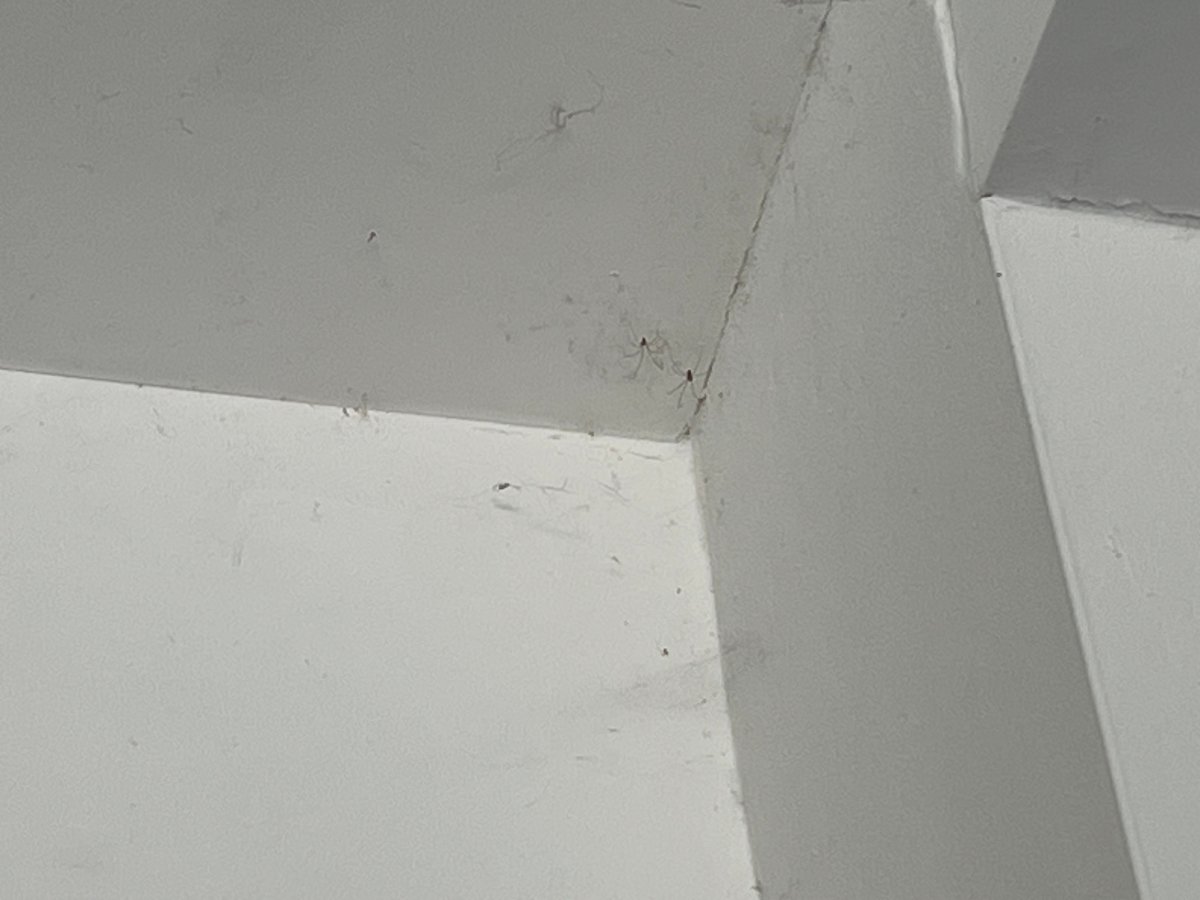
It turns out that cellar spiders (also known as cobweb spiders) are notorious for making their homes in dark, damp garages and creating messy webs that can stain walls. Often confused with daddy longlegs, cellar spiders have extremely long and thin legs and are a common household pest across the United States. If you spot irregular, tangled webs hanging loosely from the ceiling in out-of-the-way corners, you probably have cellar spiders.
Keep reading to learn why cellar spiders love garages, how to get rid of them, ways to clean up the mess the spiders leave behind, and how to prevent them from returning. Believe it or not, I’ll even share the benefits of keeping them around.
Pros and Cons of Cellar Spiders
Finding cellar spiders in my garage turned out to be a real nuisance. Their webs are ugly, unsettling, and make the entire space look like it needs a thorough scrubbing. Getting rid of them took quite a bit of effort, and I have no idea if or when they will return.
However, these spiders are not dangerous to people or pets; they don’t bite. In fact, they can be beneficial for pest control. Cellar spiders typically feed on ants, gnats, bees, wasps, flies, moths, and other spider species, so if you have those critters roaming around your property, these spiders can help take care of them naturally. You’ll just have to decide if it’s worth putting up with the spooky scene of their cobwebs just to keep other pests under control.
Why Cellar Spiders Love Garages
These spiders were given their name since they typically appear in cool, dark, damp places like cellars, basements, crawl spaces, and garages. They also prefer quiet, undisturbed places that don’t get a lot of foot traffic. Garages are ideal spots for cellar spiders given these reasons. Plus, the spiders love to hide behind boxes and storage bins that are often found in a garage. Also, when cellar spiders come looking for their prey, your garage is an ideal place to find their next meal.
How to Get Rid of Cellar Spiders and Their Webs
The most frustrating part about having a cellar spider infestation is their webs. These spider webs are extremely sticky, able to collect dust particles, pet hair, spider droppings, remnants of prey, and other debris floating around in the air. As a result, the web leaves a black, gray, or brown stain on everything it contacts. I noticed black lines and spots on my garage ceiling, on the walls in corners, and on the inside of my window roller shade.
Seeing all the webs and stains was overwhelming, and I wasn’t sure how to tackle them. I first tried using a leaf blower, but that only resulted in the webs flying around the room. Some resources suggest using a broom or a duster with an extension, but the webs are too sticky for these tools to work.
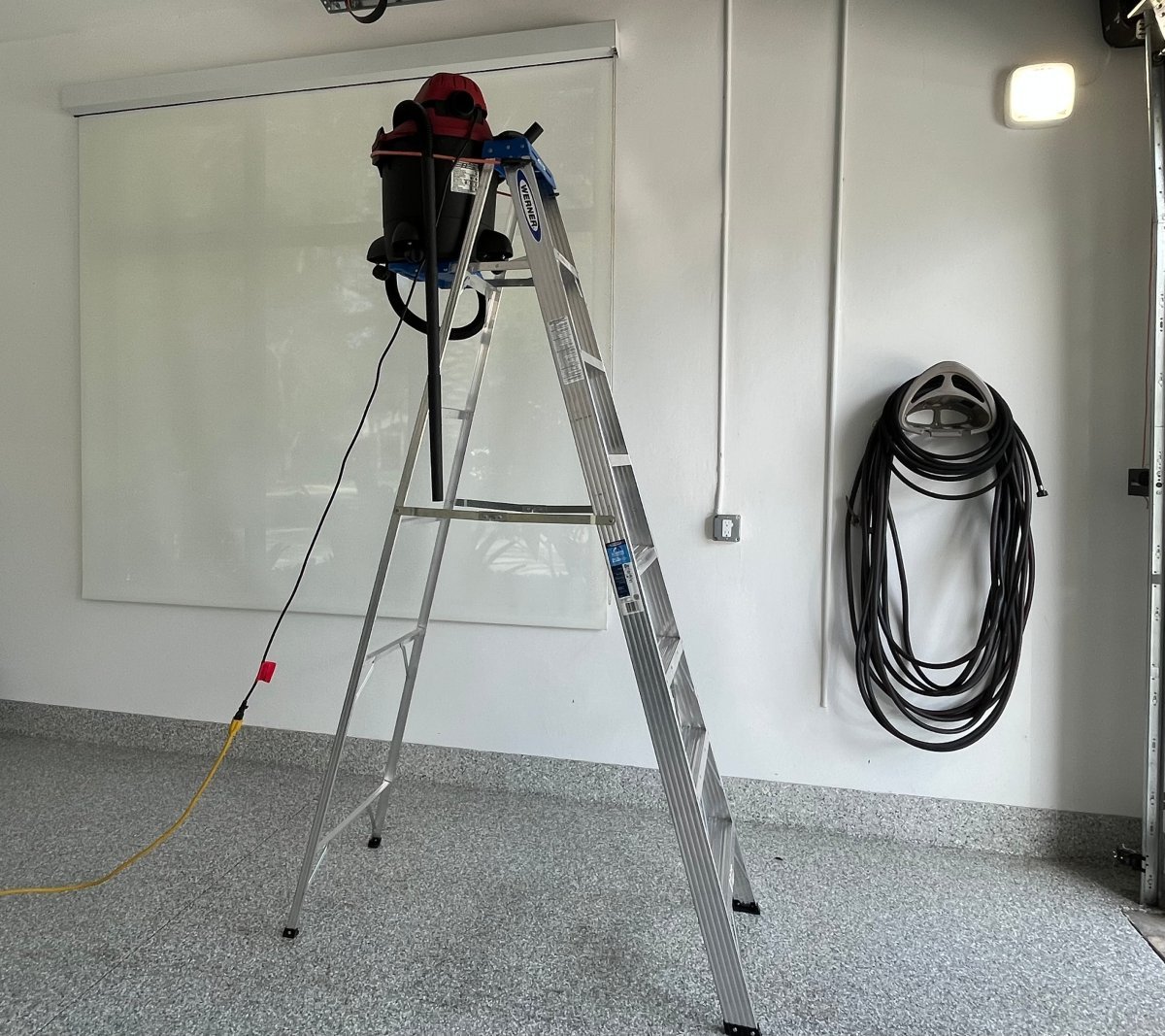
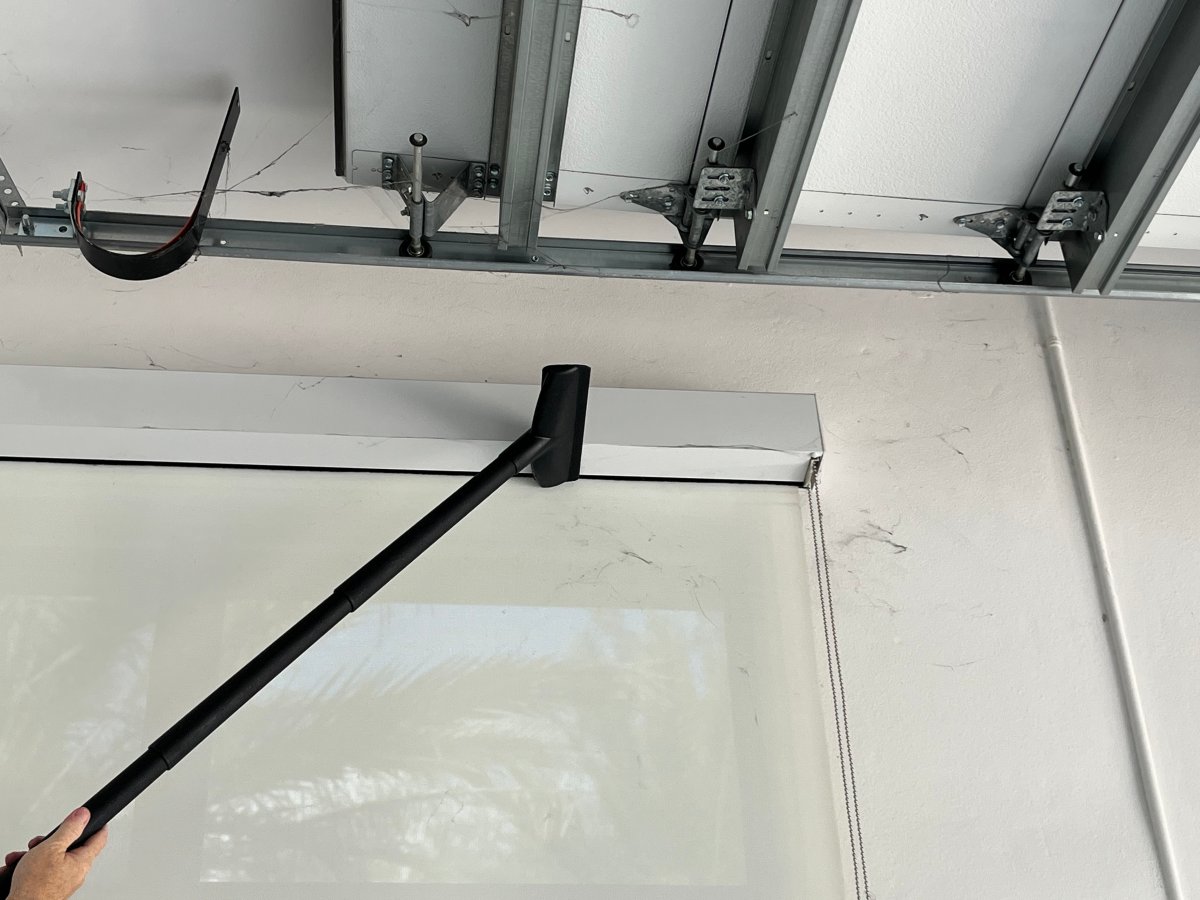
The best solution by far was using a small vacuum with a long hose and brush attachments. It effectively sucked up the spiders, webs, and dark residue throughout the garage. However, given the height of the spider webs, I attached the vacuum to a ladder and worked from up high to clean hard-to-reach places.
How to Prevent Cellar Spiders from Invading Your Home
Now that I got rid of the cellar spiders and their webs, I hope they don’t return to my garage. Here are several prevention tips to keep them from entering a home in the first place:
- Regularly vacuum and dust, especially in corners, to get rid of spiders, webs, and egg sacs.
- Organize your home, since clutter gives spiders plenty of places to hide and create webs.
- Seal cracks or gaps in your home’s foundation and around windows, doors, and walls to stop spiders from sneaking inside. Also, make sure window screens fit properly and don’t have any holes or tears.
- Change your outdoor lighting to yellow bulbs, which might reduce the number of cellar spiders and other insects that are typically attracted to white light sources.
- Run a dehumidifier, since cellar spiders thrive in moist areas.
- Use natural repellents with scents that spiders loathe, such as peppermint, cinnamon, and citrus.
- Keep up with outdoor maintenance; trim bushes and trees away from the house and remove any webs you find outdoors to reduce the number of spiders that make their way inside.
- Limit other pests that spiders feed on.
If you try all these tactics and you are still being bombarded by cellar spiders, then it might be time to call a pest control specialist to address heavy webbing, repeated infestations, and other lingering issues. An expert can help identify the root cause, treat spiders at the source, and set up a long-term prevention plan so you don’t feel like you are constantly in Halloween mode.

Meet the 2025 Tools of the Year