

7 Houseplants That Thrive When Root-Bound

:max_bytes(150000):strip_icc():format(jpeg)/bhg-roots-bound-7819893dbf334e27b1e3bc57eae1f8ed.png)
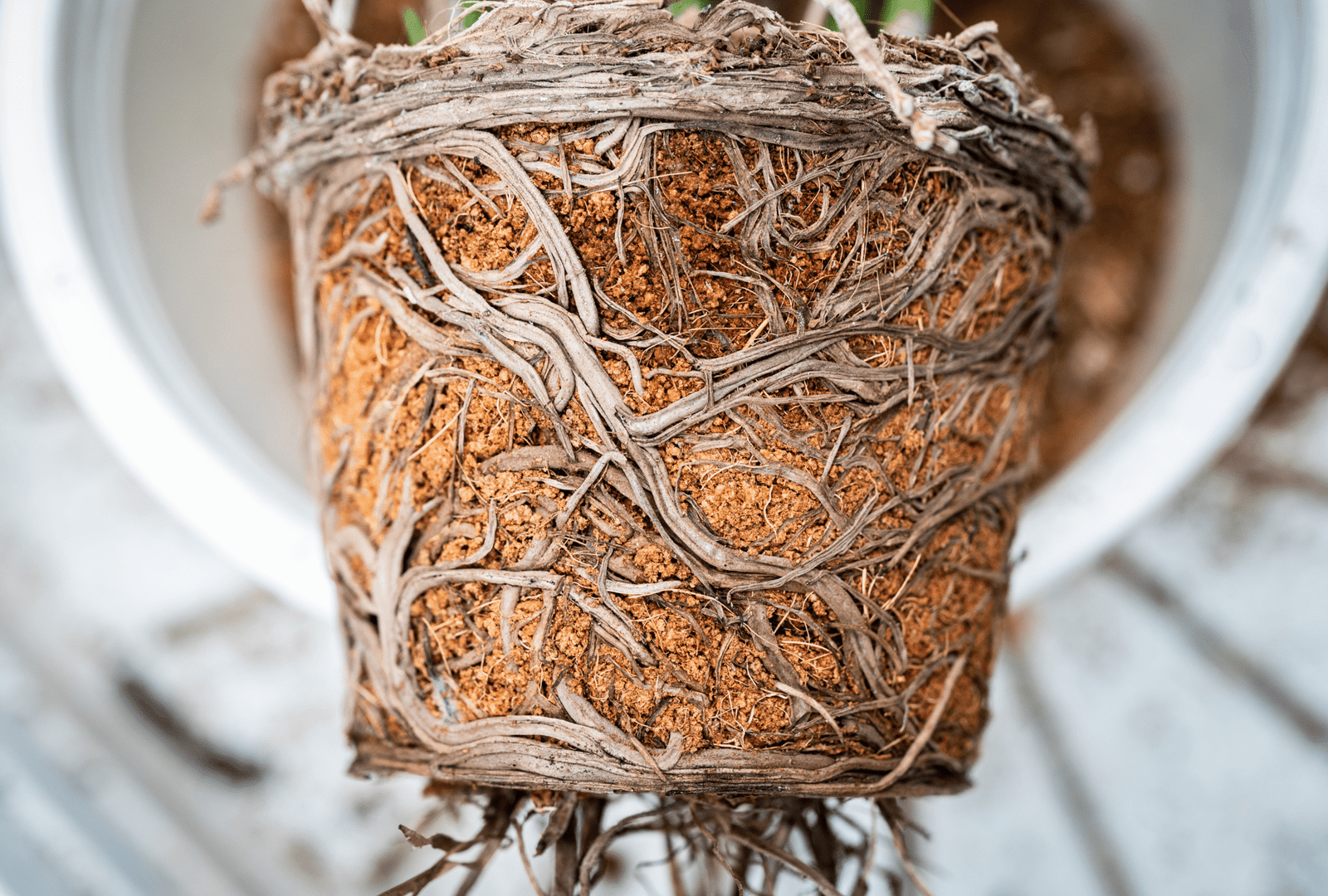
Fast-growing houseplants like monsteras often need to be repotted every year to give their roots adequate space. But some indoor plants do better snug in their pots; being a little root-bound is conducive to their growth and flowering.
If you’re used to repotting houseplants once a year, here are 7 plants that you may want to skip repotting. Plus, find tips on judging when these easy-going plants really do need a bigger pot.
Spider Plant
Spider plants, despite being fast growers, prefer being a little root-bound. The plants are more likely to flower and produce baby plantlets when their pots get tight. Spider plants generally only need to be repotted approximately once every 2 years, or when their roots begin to poke through the drainage holes and the plant looks slightly overgrown.
When it’s time to repot, you can trim away some of the plant’s stems to the soil line and cut back the roots by about 1 inch to improve the look of an overgrown spider plant and make it easier to fit the plant back in a pot.
Hoya
Hoyas are houseplants that grow relatively slowly; their shallow root systems rarely fill up their pots. Most hoyas only need to be repotted once every 2 to 4 years, or when their potting mix begins to break down.
Be sure to handle these plants with extra care when repotting, as their stems break easily, and replace as much of the old, spent soil with fresh, high-quality potting mix that contains fertilizer and/or organic matter such as worm castings or compost.
Snake Plant
Like hoyas, snake plants are slow growers that take a while to fill their pots and rarely need repotting. No matter the size of your snake plant, you’ll only need to upgrade your plant’s pot about once every 2 to 5 years when the soil begins to break down, and the plant begins to look top-heavy.
Because snake plants thrive in relatively dry conditions, choose a well-draining potting mix specially formulated for cacti and succulents. Terracotta pots are preferable because the material wicks moisture away, reducing the risk of overwatering. It is also heavier than plastic, so there is less risk that the plant topples over as it grows taller.
Christmas Cactus
Carson Downing
Famed for blooming around the holidays, Christmas cacti need to be watered a little more regularly than desert cacti. Still, these plants don’t grow that quickly, and they do best when they are a little root-bound in their pots. Repot the plants every 2 to 3 years immediately after they finish flowering and use a pot that’s only 1 or 2 sizes larger than the old pot.
Chinese Money Plant
Bob Stefko
Chinese money plants (Pilea peperomioides) are fast growers that only need to be repotted every few years. However, the plants do reproduce quickly. You can separate any baby plants that emerge from the parent plant and repot them in separate pots anytime so the rooted plantlets have more space to spread out.
When repotting, always handle Chinese money plants with extra care; their tender stems and leaves easly snap under pressure.
Jade Plant
A jade plant that is a little tight in its pot does not mean it needs repotting. This helps to moderate moisture levels in the potting mix and slows jade plant growth so the plants don’t get too top-heavy. You’ll know it’s time to repot jade plants when the plants become unwieldy in their pots, the soil looks degraded, and water runs through the plant’s potting mix too fast.
As with snake plants, it’s best to use a well-draining cactus or succulent potting mix and choose a heavy, well-draining pot that won’t topple over when jade plants grow tall.
Aloe
Kindra Clineff
Aloes are succulents with shallow root systems that don’t take up much room in their pots. They only need a pot upgrade about once every 2 to 5 years when their soil is looking poorly or draining too fast. If your aloe has produced offsets, when repotting, separate the offsets from the parent plant with a sharp knife. This frees up room in the pot and creates more free aloes for your collection.
